By Anna Wright
I still remember the day I decided to crack the code of habit formation. I was managing my family’s small business, and I realized that understanding the science of habit formation explained was key to increasing productivity without burning out. However, every article or book I read seemed to overcomplicate the issue, making it sound like rocket science. I’m here to tell you that it’s not – and I’m excited to share my journey of discovery with you.
As someone who’s passionate about efficiency and effectiveness, I’ve learned that forming good habits is all about making small changes that add up over time. In this article, I’ll share my personal story of how I applied the principles of habit formation to my own life, from using my trusty stopwatch to time tasks to solving speed puzzles to clear my mind. I’ll provide you with no-nonsense advice on how to make habits stick, without the fluff or expensive gimmicks. My goal is to help you achieve more with less stress, and I’m confident that by the end of this article, you’ll be well on your way to transforming your habits and unlocking your full potential.
Table of Contents
Cracking Habit Codes

As I dive into the world of habit formation psychology, I’m reminded of my speed-puzzle solving days. You see, cracking the code to making good habits stick is a lot like solving a puzzle – you need to understand the pieces and how they fit together. The role of dopamine in habits is a crucial piece, as it’s the neurotransmitter that reinforces certain behaviors, making us more likely to repeat them.
When it comes to breaking a habit loop, it’s essential to understand the trigger and response cycle. By recognizing the cues that lead to unwanted behaviors, we can begin to rewire our brains through neuroplasticity. This process allows us to create new pathways and responses, effectively changing our habits over time. It’s not always easy, but with the right mindset and strategies, we can overcome even the toughest habits.
In my experience as a productivity consultant, I’ve seen how the environment can significantly impact our habits. By making a few simple changes to our surroundings, we can set ourselves up for success and create an environment that supports our goals. Whether it’s removing distractions or creating a dedicated workspace, understanding cravings and responses is key to making lasting changes. With a little practice and patience, we can develop the habits that will help us achieve our goals and reduce stress in the process.
Dopamines Role in Sticky Habits
When it comes to making habits stick, dopamine release plays a significant role. This neurotransmitter is often referred to as the “feel-good” hormone, and its presence is crucial in reinforcing behaviors that lead to pleasure or reward. As someone who loves speed-puzzle solving, I can attest that the sense of accomplishment and the subsequent dopamine boost are huge motivators for me to keep pushing through challenges.
By linking habits to rewards, we can capitalize on dopamine’s reinforcing effects, making it more likely for these habits to become ingrained in our daily routines. I use my stopwatch to track progress and set small rewards for myself when I achieve milestones, which helps keep me motivated and engaged in the process.
Habit Formation Psychology Hacks
To truly grasp habit formation, we need to dive into the psychological triggers that set our habits in motion. Understanding these triggers is crucial because they can either make or break our habit-forming attempts. By recognizing the psychological cues that lead to our habits, we can begin to manipulate them to our advantage, creating an environment that fosters positive habit development.
Effective habit formation also relies on tracking progress, which is where my trusty stopwatch comes into play. Timing my tasks and tracking how long they take helps me identify areas where I can improve, allowing me to optimize my daily routines and make the most out of my time.
The Science of Habit Formation Explained
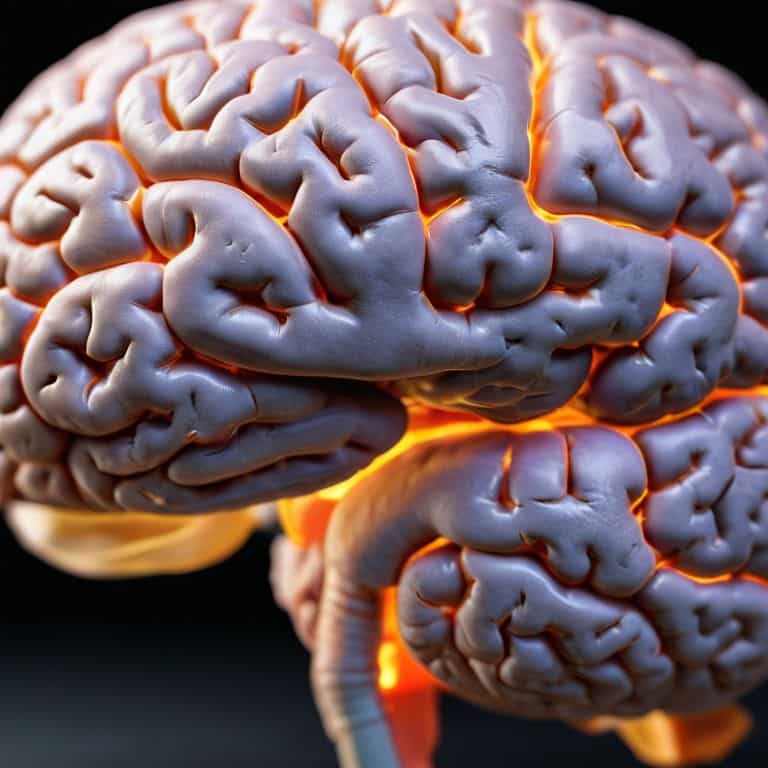
As I delve into the world of habit formation psychology, I’m reminded of the intricate dance between our brains and behaviors. The role of dopamine is particularly fascinating, as it plays a crucial part in making habits sticky. By understanding how dopamine release is triggered by certain actions, we can begin to harness its power to create positive habits.
When it comes to breaking a habit loop, it’s essential to recognize the patterns that drive our cravings and responses. This is where neuroplasticity and habit change come into play, allowing our brains to rewire and adapt in response to new experiences and environments. By acknowledging the impact of our surroundings on our habits, we can start to make intentional changes that support our goals.
In my experience as a productivity consultant, I’ve seen how small tweaks to our environment can have a significant impact on our habits. For instance, removing distractions or creating a conducive workspace can help us stay focused and build positive habits. By combining these strategies with a deep understanding of habit formation psychology, we can unlock the secrets to making lasting changes and achieving our goals with greater ease.
Breaking Habit Loops With Ease
To break habit loops, it’s essential to identify the trigger points that set off a chain reaction of habitual behaviors. By becoming more aware of these triggers, you can prepare yourself to make different choices, effectively disrupting the loop.
I use my stopwatch to time how long it takes me to recognize and override a habitual response, making it a fun challenge to improve my self-control and develop new, healthier habits.
Neuroplasticity and Environment Matters
As I time myself to finish this section – a habit I’ve formed over the years – I realize that our surroundings play a significant role in shaping our habits. The way our brain rewires itself in response to new experiences and environments is crucial. Neuroplasticity allows our brain to adapt, making it possible for new habits to stick.
By rearranging our environment to support our goals, we can create an ecosystem that fosters growth and helps us stay on track. For instance, removing distractions or placing reminders in strategic locations can be a game-changer. Small tweaks can lead to significant improvements in our ability to form and maintain new habits, ultimately helping us achieve our objectives with less stress and more efficiency.
Habit Formation Hacks: 5 Science-Backed Tips to Get You Started

- Start small and focus on one habit at a time to avoid feeling overwhelmed and increase chances of success
- Understand the role of dopamine in habit formation and use it to your advantage by rewarding yourself for small wins
- Leverage neuroplasticity by creating an environment that supports your new habits, such as removing distractions or adding motivational cues
- Identify and break habit loops by becoming aware of your triggers and replacing negative patterns with positive ones
- Use the power of tracking and timing to monitor your progress, identify areas for improvement, and make adjustments to stay on track
Key Takeaways to Boost Your Productivity
To form lasting habits, understand that it’s not just about willpower, but also about leveraging dopamine releases and creating an environment that supports your goals
Neuroplasticity is your ally in forming new habits – by repeatedly practicing a new behavior, you can rewire your brain to make it a default choice
Breaking unwanted habit loops is easier when you identify the trigger and replace the unhealthy behavior with a positive alternative, making it easier to stick to your new habits over time
Habit Formation Wisdom
The key to mastering the science of habit formation isn’t about being perfect; it’s about being consistent and patient with yourself as you rewrite the code of your daily routines, one small, intentional step at a time.
Anna Wright
Conclusion: Mastering the Art of Habit Formation
As we’ve explored the science of habit formation, it’s clear that understanding the psychology behind our habits is key to making lasting changes. From dopamine’s role in creating sticky habits to the impact of neuroplasticity and environment on our behavior, each element plays a crucial role in the habit formation process. By applying the insights from habit loops and how to break them, we can redesign our daily routines to support our goals, leading to a more productive and fulfilling life. With the right strategies and mindset, anyone can crack the code to forming good habits and breaking bad ones.
So, as you move forward, remember that mastering your habits is a journey, not a destination. It’s about progress, not perfection. With each small win, you’ll build momentum, and before you know it, you’ll be achieving more with less stress. Keep in mind, it’s all about taking it one step at a time, and don’t hesitate to reach out if you need guidance along the way. With persistence and the right approach, you can transform your life, one habit at a time.
Frequently Asked Questions
How can I apply the principles of neuroplasticity to change my daily habits?
To apply neuroplasticity to change your daily habits, start small – I time myself (yes, with my trusty stopwatch!) for 5-minute daily challenges, like taking a new route to work or doing a quick meditation. This rewires your brain to adapt to new habits, making it easier to stick to them.
What role does dopamine play in forming new habits versus breaking old ones?
Dopamine is the game-changer here. When forming new habits, it’s the reward system that gets us hooked. But for breaking old ones, recognizing dopamine’s role in craving is key. I time myself to understand these triggers – literally, I use my stopwatch to track when I feel the urge to fall back into old habits.
Can you provide examples of how environmental factors influence habit formation and how I can use this knowledge to my advantage?
Let’s get practical – your surroundings play a huge role in shaping habits. For instance, keeping healthy snacks visible can nudge you towards better eating habits, while placing your gym bag by the door can prompt you to work out. I time myself to optimize even the smallest tasks, like rearranging my space for productivity – it’s all about creating an environment that supports your goals!