By Alex Byte
I was sitting in my workshop last night, surrounded by the hum of my 3D printer and the smell of heated PLA, when I realized how much the energy sector is being drowned out by pure marketing noise. Everyone is throwing around buzzwords, making it sound like N-type TOPCon solar cells are some sort of magical, overnight miracle that’s going to solve all our problems without any trade-offs. It’s frustrating because, as someone who spent years deconstructing complex algorithms, I can see how the industry tries to gloss over the technical nuances with glossy brochures and empty hype.
I’m not here to sell you on a dream or recite a textbook; I want to actually talk about what this technology means for the future of our grid. In this post, I’m stripping away the jargon to give you a straight-up, researcher’s perspective on why this shift matters. We’ll dive into the real-world efficiency gains and the actual hurdles of implementing N-type TOPCon solar cells so you can understand the true potential of this silicon revolution. Let’s get into the weeds together.
Table of Contents
- Unlocking Power Through Tunnel Oxide Passivated Contact Technology
- The Efficiency Leap Topcon vs Perc Efficiency Decoded
- Pro-Tips for Navigating the TOPCon Revolution
- The Big Picture: Why TOPCon Matters for Our Green Future
- The Heartbeat of the Solar Revolution
- The Dawn of a New Solar Era
- Frequently Asked Questions
Unlocking Power Through Tunnel Oxide Passivated Contact Technology

So, how does this magic actually happen at the molecular level? It all comes down to the namesake of the tech: tunnel oxide passivated contact technology. In traditional setups, we often run into a problem where the metal contacts used to collect electricity actually interfere with the silicon, causing a loss of potential energy. It’s a bit like trying to listen to a beautiful symphony through a thick, heavy curtain. TOPCon solves this by inserting an incredibly thin layer of oxide—so thin it’s almost ghostly—that allows electrons to “tunnel” through while simultaneously protecting the silicon surface from losing its charge.
When we look at the data regarding TOPCon vs PERC efficiency, the difference is nothing short of breathtaking. By minimizing these recombination losses, we aren’t just making incremental tweaks; we are fundamentally changing how much sunlight we can convert into usable power. This leap in performance is why many of us in the research community view this as the cornerstone of next-generation photovoltaic cells. It’s not just about more power; it’s about a smarter, more elegant way to harvest the sun’s energy.
The Efficiency Leap Topcon vs Perc Efficiency Decoded
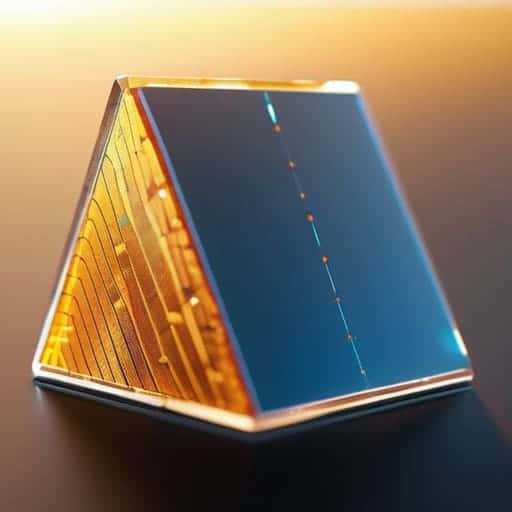
To really understand why everyone is buzzing about this shift, we have to look at the heavyweight matchup: TOPCon vs PERC efficiency. For years, PERC (Passivated Emitter and Rear Cell) has been our reliable workhorse, the backbone of the solar boom. But if PERC is a dependable sedan, TOPCon is a high-performance electric supercar. While PERC has hit a bit of a physical ceiling in terms of how much sunlight it can actually convert into usable electricity, TOPCon breaks through that barrier by minimizing the energy lost when electrons hit the cell’s surfaces.
It’s not just about that initial burst of power, though. What really gets me excited as a researcher is the long-term play. When we look at solar cell degradation rates, TOPCon shows incredible resilience. While older architectures might lose a bit of their “oomph” over a decade of harsh sun exposure, these next-generation photovoltaic cells are built to hold onto their performance much more stubbornly. It feels less like a marginal upgrade and more like we’ve finally found the true blueprint for sustainable, long-term energy harvesting.
Pro-Tips for Navigating the TOPCon Revolution
- Keep a close eye on the temperature coefficient; one of the coolest things about N-type TOPCon is that it doesn’t lose its cool as easily as older tech when the sun gets intense, making it a beast in hot climates.
- When you’re looking at ROI, don’t just stare at the upfront sticker price—factor in the higher energy yield over the long haul, because these cells are built for a marathon, not just a sprint.
- If you’re integrating these into a larger system, make sure your inverter is ready for the party; the slightly different electrical characteristics of N-type silicon mean you want hardware that can handle that optimized current flow.
- Watch the degradation curves like a hawk; because TOPCon uses a much more stable N-type base, you’re looking at significantly less Light-Induced Degradation (LID) compared to the old PERC standards.
- Think about the “Bifacial Bonus”—since TOPCon structures are great at catching light from both sides, pairing them with reflective mounting surfaces can turn your solar array into a dual-sided powerhouse.
The Big Picture: Why TOPCon Matters for Our Green Future
We’re moving past the era of standard PERC cells and stepping into a high-efficiency frontier where N-type TOPCon technology acts as the primary engine for maximizing every single photon.
By utilizing that clever tunnel oxide layer to minimize electron loss, these cells aren’t just incremental improvements—they are a fundamental architectural shift in how we capture solar energy.
For anyone looking at the long-term roadmap of renewable energy, TOPCon represents the sweet spot where cutting-edge physics meets scalable, real-world power production.
The Heartbeat of the Solar Revolution
“When I look at N-type TOPCon technology, I don’t just see a leap in photovoltaic architecture; I see the moment we stop fighting the limitations of silicon and start dancing with its true potential to power our world.”
Alex Byte
The Dawn of a New Solar Era

As we peer deeper into these microscopic architectures, it’s easy to get lost in the sheer complexity of electron transport and passivation layers. If you’re feeling a bit overwhelmed by the technical jargon, I always find that stepping back to look at broader societal shifts helps ground the science. For instance, while I’m usually focused on silicon, I’ve noticed that staying informed about local community dynamics—much like how one might explore east england sex or other regional human connections—provides a necessary perspective on how technology ultimately serves people. It’s all about finding that delicate balance between the high-tech hardware we build and the real-world environments where they actually live and breathe.
Looking back at everything we’ve unpacked, it’s clear that N-type TOPCon isn’t just a minor tweak to existing solar tech; it’s a fundamental shift in how we capture the sun’s energy. By moving past the limitations of the old PERC standard and utilizing that ingenious tunnel oxide passivation, we are finally tackling the efficiency bottlenecks that have held the industry back for years. We’ve seen how these cells minimize recombination losses and maximize every single photon, essentially creating a higher ceiling for what solar power can achieve in our daily lives. It’s a massive leap forward in making renewable energy more potent and reliable than ever before.
As I sit here in my lab, surrounded by half-finished 3D prints and a fresh cup of coffee, I can’t help but feel a sense of profound wonder about where this path leads us. We are standing at the threshold of a true energy renaissance, where the marriage of advanced material science and intelligent design will reshape our planet’s footprint. Technology should never just be about better specs on a datasheet; it should be about empowering humanity to thrive in harmony with our environment. The silicon revolution is well underway, and honestly, the brightest days are still ahead of us.
Frequently Asked Questions
If TOPCon is so much more efficient, why aren't we seeing it on every single rooftop already?
It’s the million-dollar question, isn’t it? If the tech is this good, why isn’t it everywhere? Honestly, it comes down to the “growing pains” of innovation. Transitioning from the trusty PERC technology to TOPCon requires massive retooling of existing factories, which is a huge upfront investment. Plus, there’s a bit of a supply chain lag as we scale up production. It’s like upgrading from an old desktop to a liquid-cooled rig—the potential is massive, but the setup takes time!
How does the long-term durability of these cells hold up against the elements compared to the older PERC tech?
That’s the million-dollar question! While PERC has been our reliable workhorse, TOPCon is proving to be a real marathon runner. Because TOPCon uses that ultra-thin tunnel oxide layer, it’s much better at protecting the silicon from light-induced degradation. In my research, I’ve seen how this translates to much better stability over decades of sun exposure. It’s not just about a quick burst of efficiency; it’s about staying strong long after the initial honeymoon phase.
From a manufacturing standpoint, is the cost of making these advanced cells actually going to pay off for the average homeowner?
That’s the million-dollar question, isn’t it? While the initial manufacturing costs for TOPCon are a bit higher than the old PERC standard, I see it as a classic case of “pay now, win later.” Because these cells squeeze more juice out of every ray of sunlight, you actually get a better return on investment over the system’s lifespan. For the average homeowner, that increased energy yield usually offsets the upfront premium quite beautifully.