 By
By 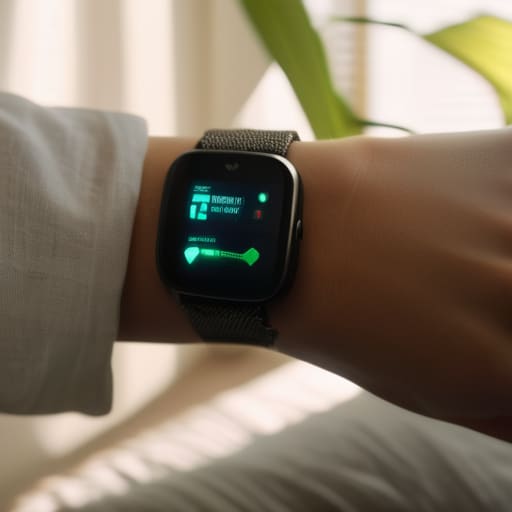
I remember staring at my training log three years ago, feeling like a complete idiot. I had followed every “optimal” periodization program to the letter, yet I felt like I was walking through wet cement every single morning. I was doing everything “right,” but my body was screaming that it was broken. That’s when I realized that rigid, pre-planned schedules are a lie; they don’t account for the fact that your life—and your nervous system—is constantly shifting. I had to stop treating my training like a math equation and start using HRV-guided recovery loading to actually listen to what my body was telling me.
Look, I’m not here to sell you on some expensive, proprietary biohacking gadget or a complex algorithm that requires a PhD to understand. I’ve spent years in the trenches testing what actually works and, more importantly, what’s just expensive noise. In this guide, I’m going to show you how to use your data to make real-world decisions about when to push your limits and when to back off. This is about practical, actionable strategy that fits into your actual life, not some idealized version of an athlete that doesn’t exist.
Table of Contents
Decoding Autonomic Nervous System Balance for Better Gains

To understand why this works, you have to look under the hood at your autonomic nervous system balance. Think of your nervous system like a car’s accelerator and brake pedals. The sympathetic branch is your gas pedal (fight or flight), while the parasympathetic branch is your brake (rest and digest). When you’re crushing heavy sets or dealing with high-stress work weeks, that gas pedal stays pinned down. If you don’t learn how to hit the brakes, you aren’t just getting tired—you’re heading straight toward a wall.
Monitoring your heart rate variability trends gives you a real-time window into which pedal is currently stuck. When your HRV is high, it means your body is successfully toggling between these states, signaling a high level of physiological readiness for exercise. However, if those numbers start trending downward consistently, your body is stuck in a sympathetic loop. Instead of forcing a session and risking injury, this is your cue to pivot. By listening to these biological signals, you move away from rigid, outdated schedules and toward a smarter, more responsive way of training.
Optimizing Training Load With Hrv Trends

Here’s the thing: looking at a single day’s HRV score is like looking at a single frame of a movie and trying to guess the entire plot. It’s easy to panic if you wake up with a low number after a heavy session, but one bad reading doesn’t mean you’re broken. To actually master optimizing training load with HRV, you need to stop obsessing over the daily fluctuations and start looking at the bigger picture. It’s all about the direction of the trend line.
When you see your heart rate variability trends consistently trending downward over several days, that is your body’s way of screaming for a break. That’s the window where you move from high-intensity intervals to active recovery. On the flip side, if your trends are steadily climbing or staying stable despite a heavy block, you’ve found your sweet spot for pushing even harder. This approach turns training from a guessing game into a science, helping you stay on the edge of progress without crossing the line into burnout.
5 Ways to Stop Overtraining and Start Actually Recovering
- Stop obsessing over a single morning’s number. One bad HRV reading isn’t a sign to quit; look for the trend over a week to see if you’re actually trending downward.
- Match your intensity to your data. If your HRV is tanking, swap that heavy squat session for some zone 2 cardio or a mobility flow instead of trying to power through.
- Use HRV as an early warning system for life stress. If your numbers drop but your training hasn’t changed, your body is telling you that work or lack of sleep is eating your recovery.
- Don’t ignore the “high” HRV trap. A massive, sudden spike can actually signal systemic fatigue or overreaching, so don’t assume a high number always means you’re invincible.
- Prioritize sleep hygiene before you even look at the app. HRV is just a mirror; if you want better numbers, you have to fix the actual inputs like consistent bedtimes and better nutrition.
The Bottom Line: Stop Training Blind
Stop treating every day like a green light; use your HRV trends to distinguish between true fatigue and a temporary dip so you don’t burn out.
Focus on the big picture by looking at your rolling averages rather than obsessing over a single morning’s number.
Use HRV as your real-time coach to decide when to push for a PR and when to dial it back for a deload, ensuring every session actually counts toward your goals.
## The End of Training by Guesswork
“Stop treating your body like a machine that follows a spreadsheet, and start treating it like an organism that responds to data. HRV isn’t just a number on a screen; it’s the difference between training through a plateau and training through a breakdown.”
Writer
The Bottom Line

While you’re fine-tuning your physiological data, don’t forget that mental stress can wreck your HRV just as fast as a heavy squat session. Managing your social life and finding ways to decompress is just as vital for nervous system regulation as your sleep hygiene. If you’re looking to unwind or connect with others to balance out the grind, checking out online sex contacts can be a way to explore that side of your well-being and lower your cortisol levels through genuine human connection.
At the end of the day, HRV-guided recovery isn’t about finding a magic number or obsessing over every single data point. It’s about moving away from the “grind at all costs” mentality and toward a system that actually listens to your body. By tracking your autonomic trends and adjusting your training load based on how you’re actually recovering, you stop wasting energy on junk volume and start hitting your sessions when you’re truly primed. Remember, the goal is to train smarter, not just harder, by using your biology as a roadmap rather than a guessing game.
Stop treating your body like a machine that should perform identically every single morning. Real progress happens in the balance between the stress of the lift and the quality of the recovery. When you start respecting these physiological signals, you don’t just avoid burnout—you unlock a level of consistency that most athletes never reach. Take the data, listen to the trends, and trust the process. Your future, stronger self will thank you for having the discipline to back off when it matters most.
Frequently Asked Questions
Does a single low HRV reading mean I should skip my workout entirely, or should I look at the weekly average?
Don’t panic over a single bad number. One low reading is just a snapshot—it could be bad sleep, a heavy meal, or just stress. If you pivot every time your HRV dips for an hour, you’ll end up training far less than you should. Look for the trend. If your weekly average is trending down, that’s your signal to dial it back. One outlier is a blip; a downward trend is a pattern.
How much does caffeine, alcohol, or a bad night's sleep mess with my data and give me a false reading?
Look, the short answer? A lot. Your HRV isn’t a magic crystal ball; it’s a mirror of your immediate physiological state. One night of heavy drinking or tossing and turning will absolutely tank your numbers, making it look like you’re overtrained when you’re actually just hungover. Don’t panic and scrap your workout because of one outlier. Look for the trend, not the single data point, and always account for those lifestyle “noise” factors.
Can I use HRV to train harder, or is it strictly a tool for knowing when to back off?
It’s a common misconception that HRV is just a “red light” to tell you to stay on the couch. While it’s great for spotting burnout, its real power lies in identifying when you’re primed to push. If your HRV is trending high and stable, that’s your green light to attack a heavy session or increase intensity. Think of it as a performance accelerator, not just a safety brake.
