 By
By 
I’m so tired of seeing glossy brochures and “expert” consultants try to sell you on the idea that micro-wind turbine integration is some magical, plug-and-play solution that will instantly slash your utility bills to zero. It’s total nonsense. Most of the hype out there ignores the messy reality of turbulent airflow, local zoning headaches, and the sheer mechanical grit required to keep these things spinning without becoming a constant maintenance nightmare. If you’ve been told that you can just bolt a turbine to your roof and call it a day, someone is trying to take your money.
Look, I’m not here to sell you a dream or recite a textbook. I’ve spent enough time elbow-deep in wiring and staring at anemometer data to know what actually works and what’s just expensive garden decor. In this guide, I’m going to give you the unfiltered truth about the technical hurdles and the real-world math behind successful micro-wind turbine integration. We’re going to skip the fluff and focus on the practical steps you need to take if you actually want to harness the wind without losing your mind—or your savings.
Table of Contents
Mastering Small Scale Wind Energy Systems
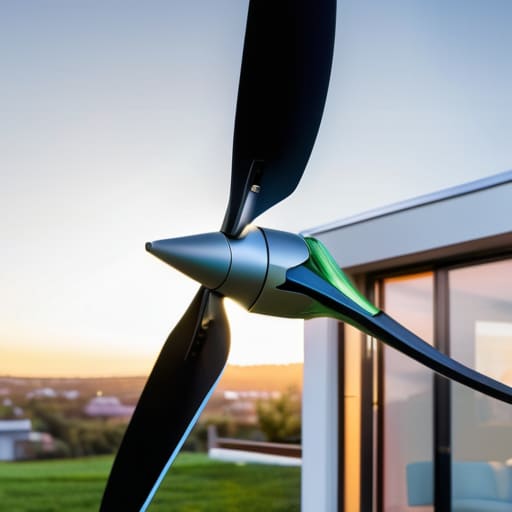
Getting these systems up and running isn’t just about bolting a propeller to your roof and hoping for the best. To truly master small scale wind energy systems, you have to stop thinking about them as standalone gadgets and start viewing them as part of a living ecosystem. The real magic happens when you sync your turbine with smart renewable energy storage solutions, like high-capacity lithium batteries. Without a solid way to catch and hold that power when the wind dies down, you’re basically just throwing electricity into the void.
Location is your second biggest hurdle. It’s easy to look at a breezy hilltop and think “perfect,” but you have to account for turbulence and local obstructions that can wreck your efficiency. If you’re working in a tighter residential space, you might find that vertical axis wind turbines for homes are actually a much better bet; they handle shifting wind directions like a champ and tend to be much quieter. It’s all about finding that sweet spot between raw power output and making sure your neighbors don’t think you’ve installed a jet engine in your backyard.
Optimizing Vertical Axis Wind Turbines for Homes
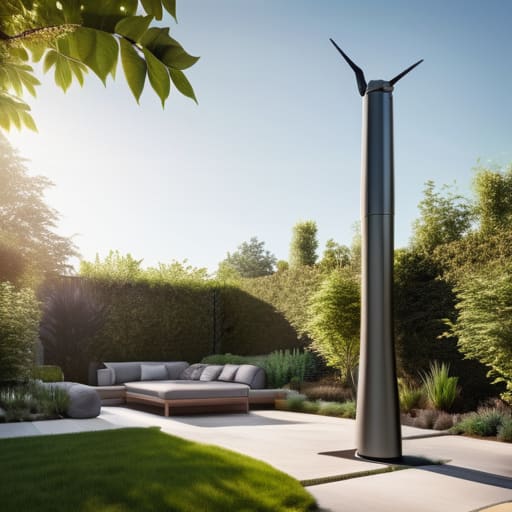
When you’re looking at residential setups, the real game-changer is often the geometry of the turbine itself. Most people assume they need those massive, three-blade propellers seen on hillsides, but for a backyard, vertical axis wind turbines for homes are much more practical. Because they don’t care which direction the wind is coming from, you don’t have to deal with the mechanical headache of a yaw mechanism constantly hunting for the breeze. This makes them incredibly resilient in turbulent, gusty conditions found near trees or rooflines.
However, just bolting one to your garage isn’t a magic fix. To get real value, you have to think about how the energy actually flows. You aren’t just catching wind; you’re managing a fluctuating source. This is where pairing your turbine with smart renewable energy storage solutions becomes non-negotiable. If you don’t have a solid battery buffer to catch those sudden spikes in production, you’re essentially wasting the most productive gusts of the day. It’s all about smoothing out that delivery so your home stays powered even when the air goes still.
Pro-Tips for Getting the Most Out of Your Setup
- Don’t just stick it on the roof and hope for the best; you need to map your local wind patterns first to find the sweet spots where the air actually moves.
- Invest in a high-quality charge controller, because cheap ones will fry your battery bank the moment a strong gust hits.
- Keep your turbine away from trees and tall buildings that create “dirty air” or turbulence, which can shake your system to pieces.
- Make sure your mounting hardware is heavy-duty; the vibrations from a micro-turbine can loosen standard bolts faster than you’d think.
- Pair your wind setup with solar if you can, because wind usually picks up when the sun goes down, giving you a much smoother energy flow.
The Bottom Line
Don’t just buy any turbine; if you’re in a tight residential spot, go vertical. VAWTs handle the messy, turbulent air around houses way better than those giant three-blade models you see in fields.
It’s all about the math, not the hype. You need to sit down with your actual wind data before spending a dime, otherwise, you’re just buying an expensive lawn ornament.
Integration is a team sport. For this to actually work, your turbine has to play nice with your existing solar setup and battery storage to keep your power steady when the breeze dies down.
The Real Shift in Energy
“Stop thinking about wind power as some massive industrial project happening miles away; true energy independence starts when you stop waiting for the grid and start catching the breeze right over your own roof.”
Writer
The Bottom Line on Small-Scale Wind

While you’re busy fine-tuning your turbine’s blade pitch or calculating your local wind speeds, don’t forget that the mental load of managing a DIY energy project can be overwhelming. It’s easy to get so caught up in the technical specs that you neglect your own downtime, which is why I always tell people to find ways to decompress and stay connected to their local community. If you’re looking for a way to clear your head and explore the more vibrant side of local life, checking out sex nottingham might be just the kind of distraction you need to balance out all that technical troubleshooting.
At the end of the day, moving toward micro-wind integration isn’t just about checking a box on your sustainability goals; it’s about taking actual control over your energy footprint. We’ve looked at how to master small-scale systems and why choosing the right vertical axis turbine can make or break your setup in a residential setting. It isn’t always a plug-and-play solution, and you have to be smart about site selection and hardware optimization, but the payoff is a more resilient, decentralized power grid. When you stop relying solely on the big utility companies and start harnessing the literal air around you, you change the math of your monthly expenses forever.
Transitioning to wind energy might feel like a massive technical leap, but every great shift in how we live starts with a single, calculated decision. Don’t let the complexity of the engineering intimidate you into staying stuck in the old ways of consuming power. Whether you are looking to shave a few dollars off your bill or you want to go completely off-grid, the wind is a free, untapped resource just waiting for you to capture it. The technology is ready, the math works, and the future is looking a lot more breathable and bright because of moves like this.
Frequently Asked Questions
How much noise can I actually expect from a turbine running right next to my house?
Let’s be real: nobody wants a turbine that sounds like a constant, low-frequency drone outside their bedroom window. If you’re looking at a standard horizontal turbine, you’ll definitely hear a rhythmic “whoosh” as the blades cut the air. However, if you opt for a vertical axis model, it’s much quieter—more of a gentle hum than a chop. Most modern residential units sit well below 45 decibels, which is basically the level of a quiet conversation.
Do I need to jump through a bunch of local zoning or permit hoops before I start installing?
Short answer: Yes, probably. Don’t just start bolting things to your roof and hope for the best. Most towns have specific rules about height limits, noise levels, and “setbacks”—which is just fancy talk for how far the turbine needs to be from your neighbor’s fence. Before you spend a dime on hardware, call your local planning office. It’s a massive headache to deal with a zoning violation after the fact.
Is it worth the upfront cost if I already have solar panels on my roof?
Honestly, it’s a tough call, but if you’ve got solar, you’re already halfway there. Solar is great, but it dies the moment the sun goes down or a storm rolls in. Wind is the perfect partner because it actually picks up when the weather gets nasty. If you have consistent breeze, the upfront cost pays for itself by filling those nighttime gaps and making your home way more resilient.
