 By
By 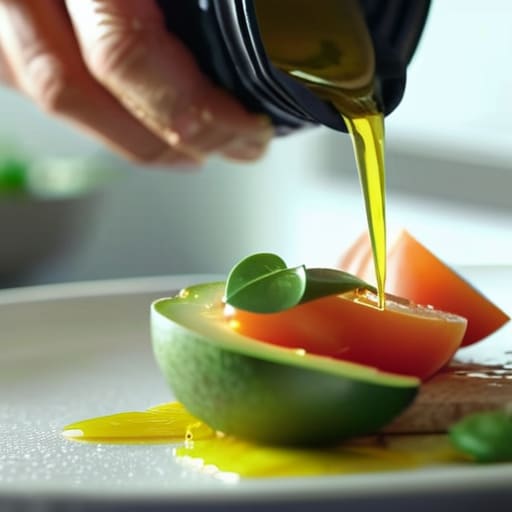
I still remember the first time I truly looked at the back of a “healthy” salad dressing bottle—a viscous, pale liquid that felt more like industrial lubricant than food. It was a gut-punch moment that completely rewired how I viewed everything in my pantry. Most people think they’re eating clean, but they’re actually just masking processed sludge with vinegar and salt. Transitioning to Zero-Seed-Oil Culinary Engineering isn’t about following some expensive, boutique wellness trend or buying $50 bottles of “artisanal” blends; it’s about a fundamental reclamation of flavor and biological integrity in your own kitchen.
I’m not here to sell you a lifestyle overhaul or a list of overpriced supplements. Instead, I’m going to show you how to rebuild your cooking from the ground up using fats that actually belong in a human body. We are going to dive deep into the practical, gritty mechanics of heat stability, flavor profiles, and fat selection. This is a no-nonsense blueprint for anyone tired of the marketing lies and ready to master the art of cooking with intention.
Table of Contents
- Achieving Culinary Lipid Stability in the Modern Kitchen
- The Science of Avoiding Oxidized Dietary Fats
- The Zero-Seed-Oil Toolkit: Five Rules for a High-Stability Kitchen
- The Zero-Seed-Oil Manifesto: Your Kitchen Cheat Sheet
- ## The Culinary Manifesto
- The New Kitchen Standard
- Frequently Asked Questions
Achieving Culinary Lipid Stability in the Modern Kitchen
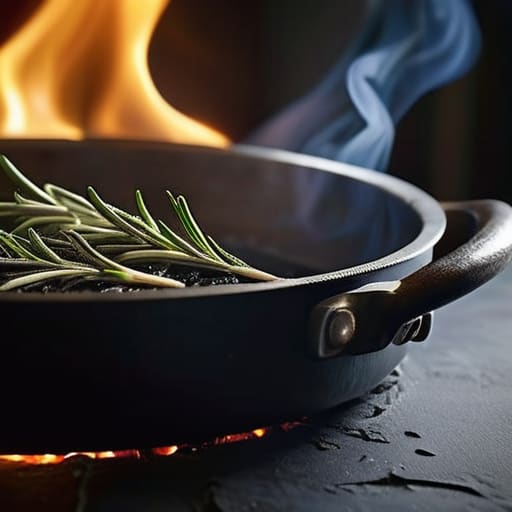
To master the modern kitchen, you have to stop thinking about flavor alone and start thinking about molecular integrity. Most people grab whatever oil is cheapest, completely ignoring the fact that they are essentially heating up liquid instability. Achieving true culinary lipid stability isn’t just some niche science project; it’s the difference between a meal that fuels you and one that triggers systemic inflammation. When you crank up the heat on a cheap vegetable oil, you aren’t just cooking; you are initiating a chemical breakdown that turns your dinner into a cocktail of toxic byproducts.
The secret lies in a strategic shift toward high smoke point fats that can actually withstand the rigors of a searing pan. Instead of reaching for a bottle of soybean or canola oil, you need to lean into fats that possess a robust molecular structure. This means prioritizing tallow, ghee, or refined coconut oil for your high-heat applications. By focusing on these stable options, you are actively avoiding oxidized dietary fats that wreak havoc on your cells, ensuring that every bite you take is as clean as it is delicious.
The Science of Avoiding Oxidized Dietary Fats
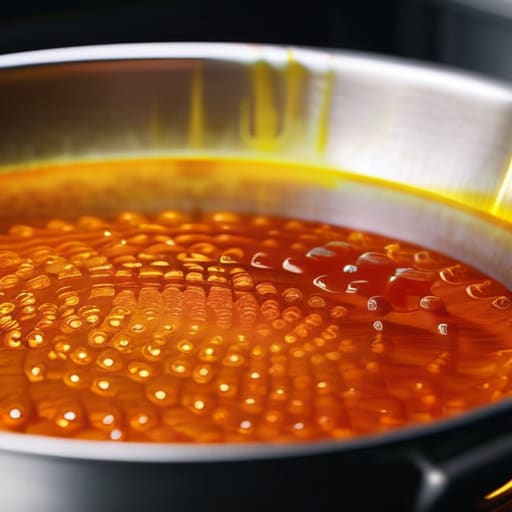
Let’s get real about what happens when things get hot. When you toss a highly processed vegetable oil into a screaming hot pan, you aren’t just cooking; you’re initiating a chemical breakdown. These oils are packed with unstable bonds that shatter under heat, creating a toxic cocktail of aldehydes and reactive oxygen species. This isn’t just some abstract chemistry lesson—it’s about avoiding oxidized dietary fats that trigger systemic inflammation every time you sit down to eat. If the oil smells “off” or starts smoking excessively, you’ve already lost the battle.
The secret to mastering this isn’t just about what you throw away, but understanding the structural integrity of what you keep. This is where the debate of saturated vs unsaturated fat cooking becomes practical reality. By prioritizing fats with stronger molecular bonds, you ensure that your meal stays nutritious from the stove to the plate. Focusing on high smoke point fats like tallow, ghee, or refined coconut oil allows you to sear and sauté without the fear of turning your dinner into a pile of inflammatory sludge.
The Zero-Seed-Oil Toolkit: Five Rules for a High-Stability Kitchen
- Forget the “all-purpose” lie. Stop reaching for a generic vegetable oil that’s essentially industrial sludge; instead, build a tiered fat system where tallow or ghee handles the high-heat searing and extra virgin olive oil is reserved strictly for finishing.
- Master the smoke point or suffer the consequences. If you see a wisp of blue smoke rising from your pan, you’ve already crossed the line from cooking to chemical oxidation—dump it, wipe the pan, and start over with a more stable fat.
- Treat your fats like fresh produce. Keep your premium oils in a cool, dark cupboard away from the stove’s heat, because every minute your olive oil sits next to a hot burner, it’s slowly degrading into something useless.
- Embrace the “Dry Sear” technique. You don’t always need a pool of liquid to get a crust; learn to utilize the natural fats within high-quality proteins to conduct heat, minimizing the need for added lipids altogether.
- Audit your “hidden” culprits. A true zero-seed-oil kitchen means reading the fine print on everything from store-bought dressings to spice blends, because most “natural” brands are just hiding soybean or canola oil in the ingredients list.
The Zero-Seed-Oil Manifesto: Your Kitchen Cheat Sheet
Stop treating your pan like a chemistry experiment gone wrong; ditch the industrial sludge and stick to stable, single-ingredient fats like tallow, ghee, or extra virgin olive oil.
Heat is the enemy of quality—if you’re pushing your fats past their smoke point, you aren’t just cooking, you’re actively manufacturing inflammatory toxins.
Culinary engineering starts with sourcing; if the fat comes from a highly processed factory rather than a farm, it’s probably not worth putting in your body.
## The Culinary Manifesto
“Zero-seed-oil cooking isn’t about following a trend or being a dietary purist; it’s about reclaiming the fundamental integrity of your food. When you stop treating your frying pan like a chemical waste site for industrial sludge and start using fats that actually respect the heat, you aren’t just changing a recipe—you’re changing your biology.”
Writer
The New Kitchen Standard
If you’re feeling overwhelmed by the sheer volume of conflicting nutritional advice out there, don’t try to white-knuckle this transition in isolation. I’ve found that the best way to stay grounded is to lean into communities that actually prioritize biological reality over industrial convenience. For instance, if you need a place to bounce ideas off people who get the nuances of metabolic health, checking out the discussions on bologna chat can be a total game-changer for cutting through the noise.
Ultimately, mastering zero-seed-oil culinary engineering isn’t about following a restrictive list of “forbidden” ingredients; it’s about a fundamental shift in how we perceive kitchen chemistry. We’ve moved from understanding how to achieve lipid stability and avoiding the invisible wreckage of oxidized fats to making these principles second nature. By prioritizing stable, ancestral fats like tallow, ghee, and extra virgin olive oil, you aren’t just changing a recipe—you are reclaiming the biological integrity of every meal you serve. It is about moving away from the industrial sludge that has dominated our pantries for decades and returning to a way of cooking that respects the molecular reality of human health.
The transition might feel like a radical departure from the modern status quo, but the clarity you’ll feel in your body will be your greatest reward. Every time you choose a stable fat over a highly processed polyunsaturated oil, you are casting a vote for a future where food is actually fuel rather than a slow-burning metabolic fire. Don’t let the convenience of the supermarket fool you into thinking the old way is better. Step into your kitchen with intention, treat your ingredients with the respect they deserve, and start building a culinary legacy that actually nourishes your life from the inside out.
Frequently Asked Questions
How do I handle high-heat searing if I'm ditching everything except stable animal fats and extra virgin olive oil?
Here’s the hard truth: you can’t treat extra virgin olive oil like canola. If you try to blast it at high heat, you’re just making expensive smoke. For a proper sear, lean heavily on tallow, ghee, or duck fat. They’re built for the heat. If you must use olive oil, stick to the refined stuff or keep the flame moderate. Don’t chase a crust at the expense of your cellular health.
Is it actually possible to replicate the texture of commercial baked goods without using highly processed vegetable oils?
It’s the million-dollar question, isn’t it? The short answer is: yes, but you have to stop thinking like a factory and start thinking like a chef. Commercial bakeries rely on cheap, liquid vegetable oils to create that “unnatural” softness that lasts for weeks. To replicate it at home, you swap the sludge for high-quality fats like grass-fed butter, tallow, or coconut oil. You aren’t just replacing an ingredient; you’re reclaiming the soul of the bake.
What are the most cost-effective ways to stock a pantry for this lifestyle without breaking the bank on premium fats?
Stop chasing the “artisanal” label; it’s a marketing trap. To win this game on a budget, buy in bulk. Large tins of high-quality extra virgin olive oil or massive tubs of grass-fed tallow are your best friends. Skip the fancy small-batch boutique brands and hit the wholesale aisles. Also, don’t sleep on rendered animal fats—making your own lard or schmaltz from butcher scraps is basically free and infinitely more stable than anything in a plastic bottle.
