By Lindy Parker
As I stood at the base of a towering mountain, map in hand, I realized that a guide to leadership skills is not just about following a set of rules – it’s about navigating the uncharted territories of your own potential. The common myth that leadership is an innate trait, reserved for a select few, is a notion that has always frustrated me. In reality, leadership is a skill that can be honed and developed, much like the trails that wind their way through the wilderness. I’ve seen it time and time again in my own journey as a career coach – individuals who have been told they aren’t “natural leaders” discovering their own unique path to success.
In this article, I’ll share with you the practical advice and strategic insights you need to unlock your own leadership potential. You’ll learn how to read the map of your organization, inspire your fellow travelers, and make tough decisions along the way. My goal is to provide you with a no-nonsense guide to leadership skills, one that will empower you to blaze your own trail and reach the summit of your career goals. Whether you’re just starting out or looking to take your leadership to the next level, this article will provide you with the tools and inspiration you need to succeed.
Table of Contents
- Guide Overview: What You'll Need
- Step-by-Step Instructions
- A Guide to Leadership Skills
- Trailblazing Leadership: 5 Essential Tips to Unlock Your Potential
- Trailblazing Takeaways: 3 Key Points to Unlock Your Leadership Potential
- Pioneering Leadership
- Embarking on the Leadership Trail
- Frequently Asked Questions
Guide Overview: What You'll Need

Total Time: 6 hours
Estimated Cost: $0 – $100
Difficulty Level: Intermediate
Tools Required
- Journal (for self-reflection)
- Computer (with internet access)
- Whiteboard (or presentation software)
Supplies & Materials
- Leadership Books
- Online Course Subscriptions
- Note-taking Materials (e.g., pens, pencils, paper)
Step-by-Step Instructions
- 1. First, assess your current leadership style by taking a step back and evaluating your strengths and weaknesses, much like a hiker uses a map to understand the terrain before embarking on a journey. Consider seeking feedback from colleagues, friends, or a mentor to gain a more rounded perspective on your leadership abilities.
- 2. Next, set clear goals for what you want to achieve as a leader, whether it’s improving communication skills, building a stronger team, or driving innovation within your organization. Establishing a clear vision will help you stay focused and motivated, just as a hiking trail’s endpoint gives direction and purpose to the journey.
- 3. Develop your emotional intelligence by practicing self-awareness, empathy, and social skills. This can be achieved by engaging in activities that challenge your emotional perceptions, such as active listening exercises or conflict resolution workshops. Emotional intelligence is akin to having a keen sense of direction on a hike; it helps you navigate complex social situations with ease and confidence.
- 4. Learn to delegate effectively by understanding the strengths and weaknesses of your team members and assigning tasks that play to their individual skills. Delegation is similar to distributing the weight of hiking gear among group members; it ensures that no single person is overburdened and that everyone contributes to the group’s progress.
- 5. Cultivate a growth mindset by embracing challenges and viewing failures as opportunities for growth and learning. Just as a hiker must adapt to changing weather conditions or unexpected obstacles on the trail, a leader with a growth mindset remains flexible and resilient in the face of adversity, always seeking to improve and innovate.
- 6. Practice effective communication by being clear, concise, and respectful in your interactions with others. Good communication is the foundation of successful teamwork, much like how a well-maintained trail makes for a smoother and more enjoyable hike. Make sure to listen actively and provide feedback that is both constructive and actionable.
- 7. Finally, lead by example by demonstrating the behaviors and values you expect from your team. As a leader, you are akin to the lead hiker who sets the pace and shows the way; your actions and attitudes will influence the morale and productivity of your team, so make sure to model the highest standards of integrity and professionalism.
A Guide to Leadership Skills
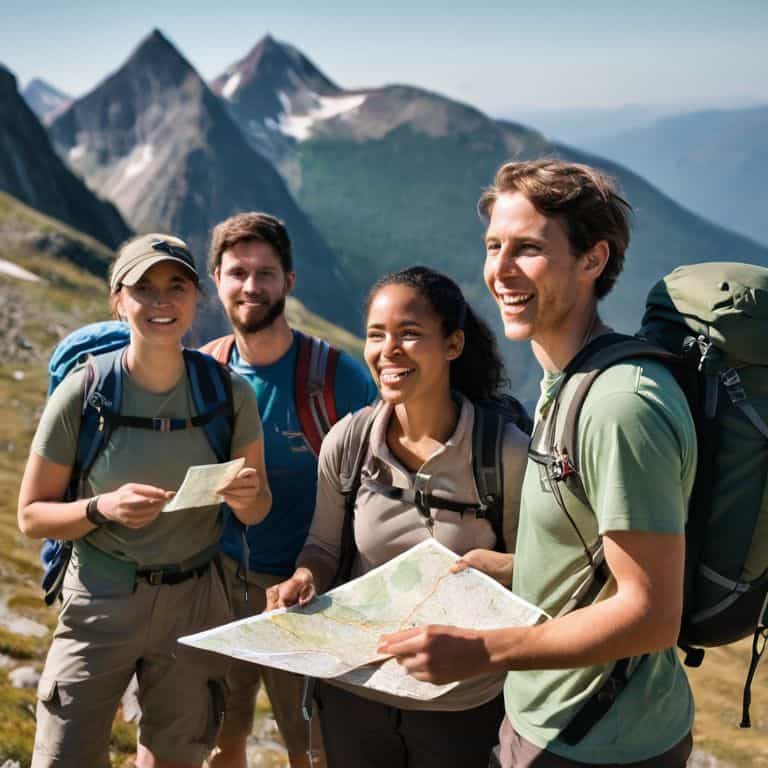
As I reflect on my own journey as a career coach, I realize that effective team management strategies are crucial for any leader to succeed. It’s like navigating a group hike, where each member has a unique role to play in reaching the summit. By recognizing and valuing these individual strengths, leaders can foster a sense of unity and purpose, ultimately driving their team towards a common goal. I’ve seen this play out in various leadership development programs, where a focus on teamwork and collaboration yields remarkable results.
In my experience, building trust with employees is a vital aspect of leadership. It’s the equivalent of establishing a strong foundation on a hiking trail, providing a sense of security and stability for the journey ahead. When leaders prioritize trust-building, they create an environment where open communication and feedback can thrive. This, in turn, enables them to address potential conflicts before they escalate, using conflict resolution techniques to maintain a positive and productive team dynamic.
As leaders continue on their own paths, they must remain adaptable and responsive to changing circumstances. This is where emotional intelligence in leadership comes into play, allowing them to read the emotional landscape of their team and make informed decisions. By embracing adaptive leadership styles, leaders can stay agile and resilient, much like a hiker adjusting their route in response to shifting weather conditions.
Building Trust Through Adaptive Leadership
Building trust is like forging a path through uncharted territory – it requires careful navigation, attention to detail, and a willingness to adapt to changing landscapes. As a leader, being able to read the terrain of your team’s needs and concerns is crucial. This means being approachable, transparent, and empathetic, creating an environment where open communication can flourish. By doing so, you’ll be able to build a strong foundation of trust, much like a sturdy hiking bridge that spans the gaps between individuals, allowing your team to cross into new territories of collaboration and innovation.
As you lead, remember that trust is a dynamic force, shifting with the winds of change and the currents of challenge. Adaptive leadership is about being responsive to these shifts, adjusting your approach to meet the unique needs of each situation, just as a hiker adjusts their pace and route to accommodate the terrain and weather.
Unlocking Emotional Intelligence
Unlocking Emotional Intelligence
As I hike through the wilderness, I’m reminded that understanding the terrain is crucial to a successful journey. Similarly, in leadership, emotional intelligence is the map that helps you navigate the complexities of your team’s emotions and needs. It’s about being attuned to the subtle cues, like the rustling of leaves, that signal a shift in morale or motivation. By developing emotional intelligence, you can create a harmonious and productive work environment, where everyone feels heard and valued.
Just as a seasoned hiker knows how to read the signs of nature, a leader with high emotional intelligence can decipher the emotional currents within their team, making informed decisions that foster growth and collaboration. By cultivating self-awareness, empathy, and social skills, you’ll be better equipped to handle conflicts, build strong relationships, and inspire your team to reach new heights.
Trailblazing Leadership: 5 Essential Tips to Unlock Your Potential
- Embracing the Unknown: Just as a hiker must be prepared for changing weather conditions, a leader must be adaptable and resilient in the face of uncertainty, using emotional intelligence to guide their decision-making
- Charting Your Course: Setting clear goals and visions is like mapping out your hiking route, it helps you stay focused and ensures your team is aligned and working towards the same summit
- Empowering Your Tribe: A great leader knows how to empower their team members, just as a seasoned hiker knows how to distribute the weight of their backpack among their fellow travelers, fostering a sense of community and shared responsibility
- Navigating Through Conflict: Conflicts are inevitable, but a skilled leader knows how to navigate through them, much like a hiker navigates through treacherous terrain, using effective communication and active listening to find a path forward
- Celebrating the Journey: Leadership is not just about reaching the destination, it’s about the journey itself, so make sure to celebrate the small victories along the way, just as you would take in the breathtaking views at the top of a mountain, to keep your team motivated and engaged
Trailblazing Takeaways: 3 Key Points to Unlock Your Leadership Potential
Embracing emotional intelligence is like finding the right gear for your hike – it helps you navigate the ups and downs of your team’s dynamics and respond to challenges with empathy and understanding
Building trust through adaptive leadership is akin to reading the map and adjusting your route accordingly – it requires being attuned to the needs of your team and making informed decisions to reach your destination
Cultivating a growth mindset is similar to taking in the breathtaking views from the summit – it allows you to see the bigger picture, appreciate the journey, and continue to climb towards new heights of personal and professional growth
Pioneering Leadership
Just as a river carves its path through the landscape, a true leader navigates the complexities of their team, shaping and being shaped by the journey, to create a harmonious and thriving ecosystem that flows towards a common goal.
Lindy Parker
Embarking on the Leadership Trail

As we conclude our journey through the guide to leadership skills, let’s take a moment to reflect on the key takeaways. We’ve explored the importance of unlocking emotional intelligence, building trust through adaptive leadership, and navigating the challenges of leading a team. These skills are not learned overnight, but with dedication and practice, you can become a trailblazing leader who inspires and motivates others to reach their full potential. Just as a hike through the wilderness requires preparation, perseverance, and a sense of adventure, your leadership journey will be filled with ups and downs, twists and turns.
As you embark on this journey, remember that leadership is not a destination, but a continuous process of growth and discovery. It’s about embracing challenges, learning from failures, and staying true to your values and vision. So, take a deep breath, lace up your hiking boots, and get ready to blaze your own trail. The wilderness of leadership potential is waiting for you, full of hidden wonders, unexpected obstacles, and unparalleled opportunities for growth and fulfillment.
Frequently Asked Questions
How can I apply the principles of adaptive leadership to build stronger relationships with my team?
Just as a river adapts to the landscape, adaptive leadership requires being attuned to your team’s unique terrain. Listen actively, foster open dialogue, and empower each member to contribute their strengths, much like how different plants thrive in a diverse ecosystem, allowing your team to flourish and grow together.
What role does self-awareness play in developing emotional intelligence as a leader?
Self-awareness is the compass that guides emotional intelligence, allowing leaders to navigate their own strengths, weaknesses, and motivations. By understanding their own emotional landscape, leaders can better recognize and respond to the emotions of their team, fostering a more empathetic and productive work environment, much like a hiker uses their compass to stay on course through uncharted terrain.
Can you provide examples of how to balance assertiveness with empathy in challenging leadership situations?
Just as a hiker must balance pace with pause to navigate treacherous terrain, leaders must balance assertiveness with empathy to tackle tough situations. I recall a particularly steep trail where I had to assertively lead my group while empathizing with a struggling hiker, finding a rhythm that kept us moving forward together.