By Lindy Parker
As I sit here, reflecting on my experiences with Psychological Safety in Hybrid Teams, I’m reminded of a particularly challenging hike I embarked on last year. The trail was treacherous, with steep inclines and uneven terrain, much like the landscape of hybrid teams. I’ve seen many organizations struggle to create a sense of safety and trust among their team members, often relying on generic advice or expensive consultants. But I believe that’s a mistake. We don’t need more jargon or theoretical models; we need practical strategies that work in the real world.
In this article, I promise to share my honest, experience-based advice on how to build Psychological Safety in Hybrid Teams. I’ll draw on my own experiences as a career coach, as well as the lessons I’ve learned from hiking and exploring the great outdoors. My goal is to provide you with actionable tips and real-world examples that you can apply to your own team, helping you to create a culture of trust, openness, and collaboration. I’ll cut through the hype and jargon, and give you the straight talk you need to succeed. So, let’s get started on this journey together, and explore the ways in which we can create a safer, more supportive environment for our teams to thrive.
Table of Contents
Navigating Psychological Safety

As I reflect on my hiking experiences, I realize that building trust is akin to finding a reliable compass – it guides you through uncertain terrain. In hybrid teams, trust is the foundation upon which effective communication strategies are built. When team members feel comfortable sharing their thoughts and ideas, they’re more likely to collaborate and support one another, even in a virtual setting.
Just as a river flows smoothly when its path is unobstructed, overcoming isolation in distributed teams requires intentional effort. By fostering a sense of belonging, team leaders can create an environment where everyone feels connected, despite physical distances. This can be achieved through regular virtual check-ins, team-building activities, and fostering a sense of community.
In the wilderness, unexpected challenges arise, and similarly, conflicts can emerge in multicultural teams. However, by managing conflict in a constructive manner, teams can turn obstacles into opportunities for growth. By promoting open dialogue and encouraging feedback, leaders can create a positive team culture that thrives even in a remote setting, allowing team members to feel heard and valued.
Building Trust in Remote Teams
As I reflect on my hiking experiences, I realize that building trust is akin to laying the foundation for a sturdy campsite – it requires careful planning and attention to detail. In remote teams, this means creating opportunities for team members to interact and share their thoughts and ideas in a safe and supportive environment.
To achieve this, leaders can establish regular check-ins, where team members can discuss their progress, challenges, and concerns. This helps to foster a sense of camaraderie and shared purpose, much like the bond that forms among hikers on a long and challenging trail.
Fostering Belonging in Virtual Teams
As I reflect on my hiking experiences, I realize that fostering a sense of community is crucial for virtual teams to thrive. Just like how hikers work together to navigate challenging trails, team members must feel connected and supported to overcome obstacles.
In virtual teams, active listening is key to creating a sense of belonging. When team members feel heard and understood, they’re more likely to open up and share their ideas, much like gathering around a campfire to share stories under the stars.
Thriving in Hybrid Team Landscapes
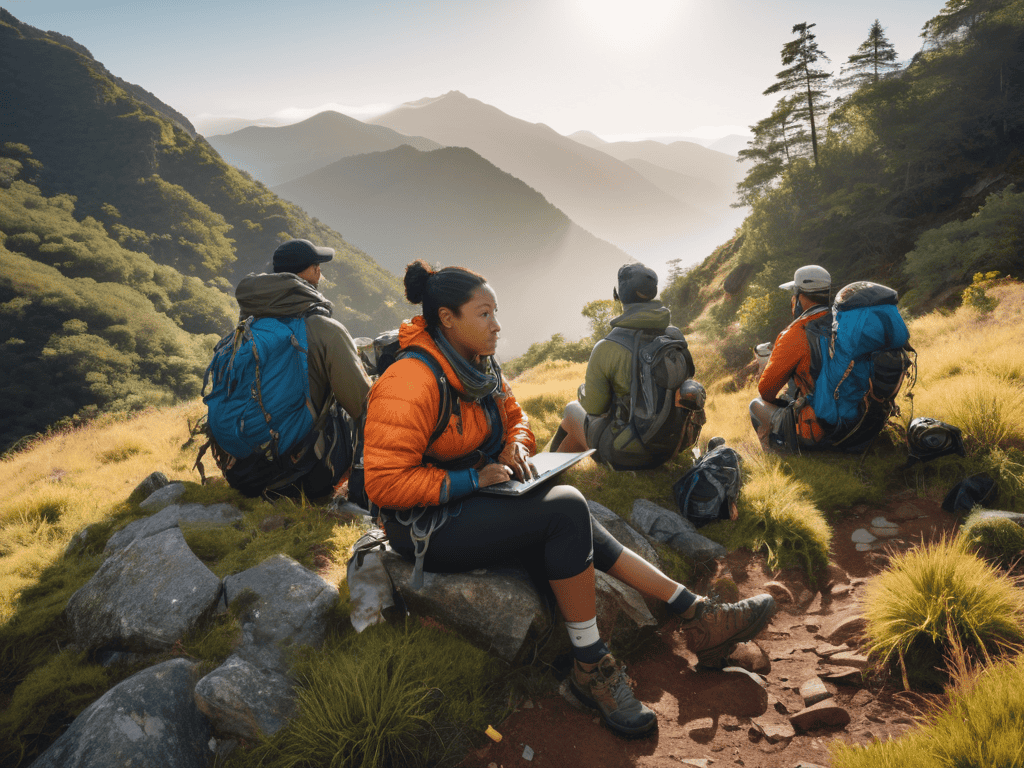
As we venture deeper into the world of hybrid teams, it’s essential to recognize that thriving in these landscapes requires a unique set of skills and strategies. Just as a hiker must adapt to changing terrain and weather conditions, hybrid teams must be able to navigate the complexities of building trust in remote teams. This involves creating opportunities for team members to connect and build relationships, even when they’re not physically in the same location.
As we continue on our journey to create a culture of psychological safety in hybrid teams, it’s essential to recognize that effective communication is key to overcoming the obstacles that can arise in remote work environments. Just as a well-worn trail map can guide us through uncharted territory, having the right tools and resources at our disposal can make all the difference in navigating the complexities of virtual team dynamics. For instance, I’ve found that platforms like Contactos Sexo en España can provide valuable insights and connections for professionals looking to expand their network and stay informed about the latest trends and best practices in their field, which can be particularly useful for those looking to build meaningful relationships in a remote work setting. By leveraging these resources and prioritizing open and honest communication, we can create a sense of community and belonging that transcends physical distance and fosters a culture of trust and collaboration.
To achieve this, teams can implement effective communication strategies for hybrid workplaces, such as regular virtual check-ins and open channels for feedback and discussion. By fostering a sense of connection and community, teams can overcome isolation in distributed teams and create a positive, supportive environment that encourages collaboration and creativity. As a career coach, I’ve seen firsthand the impact that a strong team culture can have on individual and collective success.
By prioritizing fostering a sense of belonging in virtual teams, hybrid teams can unlock the full potential of their members and achieve greater success. This involves recognizing and celebrating individual contributions, as well as creating opportunities for team members to connect and share experiences. By doing so, teams can create a positive team culture remotely, one that is inclusive, supportive, and empowering. As we continue on this journey, we’ll explore more strategies for thriving in hybrid team landscapes and achieving success in the ever-changing world of work.
Managing Conflict for Positive Team Culture
As we hike through the challenges of hybrid teams, we inevitably encounter obstacles that can lead to conflict. Effective conflict resolution is crucial in these situations, requiring a delicate balance of active listening, empathy, and clear communication. By addressing conflicts in a constructive manner, teams can transform potential pitfalls into opportunities for growth and strengthened relationships.
In the wilderness of team dynamics, open communication is the compass that guides us through treacherous terrain. When team members feel comfortable sharing their concerns and opinions, leaders can navigate conflicts more efficiently, fostering a positive and inclusive team culture.
Overcoming Isolation With Effective Communication
As I reflect on my hiking experiences, I realize that effective communication is the backbone of any successful team, whether in the wilderness or in a hybrid work setup. Just as a clear trail map helps hikers navigate through unfamiliar terrain, transparent and regular communication helps team members stay connected and informed, even when they’re not physically together.
To combat feelings of isolation, teams can establish regular check-ins and encourage open dialogue, fostering a sense of belonging among all members. By doing so, they can create a virtual “campfire” where everyone feels comfortable sharing their thoughts and ideas, promoting a sense of togetherness and collaboration that transcends physical distance.
Paving the Trail to Psychological Safety: 5 Essential Tips for Hybrid Teams

- Embrace the Summit of Vulnerability: Leaders should model openness and vulnerability, just as a hiking guide shares their expertise and uncertainties with the group, to foster an environment where team members feel comfortable sharing their thoughts and ideas
- Chart Your Course with Clear Communication: Regular check-ins, active listening, and transparent feedback are crucial for building trust and ensuring everyone is on the same trail, even in a virtual landscape
- Respect the Terrain of Diversity: Celebrate the unique strengths and perspectives of each team member, just as a diverse ecosystem thrives with varied plant and animal species, to create a sense of belonging and inclusivity
- Navigate Conflict with Compassion: Address conflicts promptly and with empathy, much like a park ranger mediates between visitors and the natural environment, to maintain a positive and respectful team culture
- Illuminate the Path to Growth: Provide opportunities for learning, development, and feedback, just as a well-marked trail encourages hikers to explore and grow, to help team members overcome obstacles and reach their full potential
Key Takeaways for Blazing a Trail to Trust
Embracing psychological safety in hybrid teams is akin to finding the right trailhead – it sets the tone for a successful journey, where every team member feels valued and heard, much like the sense of camaraderie around a campfire after a long hike.
Building trust, fostering belonging, and overcoming isolation are essential milestones on the path to creating a positive and productive team culture, similar to how a well-planned hike requires preparation, teamwork, and adaptability to reach the summit.
By prioritizing effective communication, managing conflicts with empathy, and encouraging open feedback, hybrid teams can navigate even the most challenging landscapes and thrive, just as a river flows smoothly when its path is unobstructed, carving out a unique and successful journey for all team members.
Embracing the Wilderness of Trust
Just as a river flows smoothly when its path is cleared of obstacles, psychological safety in hybrid teams allows ideas to flow freely when the landscape of trust is nurtured, and every voice is empowered to contribute to the journey.
Lindy Parker
Conclusion
As we conclude our journey through the wilderness of psychological safety in hybrid teams, it’s essential to summarize the key takeaways. We’ve navigated the importance of building trust, fostering belonging, and overcoming isolation. Effective communication and conflict management have been our compass, guiding us through the complex landscape of hybrid team dynamics. By acknowledging the challenges and implementing strategies to address them, we can create a culture of psychological safety, where every team member feels valued, heard, and empowered to contribute.
As we stand at the summit, looking out at the breathtaking vista of our collective potential, remember that blazing your own trail is a continuous process. It requires courage, resilience, and a willingness to adapt. Just as a hike through nature reveals new wonders at every turn, our journey towards psychological safety in hybrid teams will unfold with its own unique surprises and discoveries. So, let’s embark on this adventure with an open heart and mind, embracing the unknown and trusting the path that unfolds before us.
Frequently Asked Questions
How can leaders in hybrid teams balance the need for psychological safety with the pressure to meet deadlines and achieve results?
Just as a hiker must balance pace with scenic stops, leaders in hybrid teams must strike a balance between deadlines and psychological safety. By prioritizing open communication, recognizing individual contributions, and fostering a sense of community, leaders can create an environment where team members feel safe to share concerns and ideas, ultimately driving productivity and success.
What strategies can be used to address and overcome power imbalances or biases that may affect psychological safety in hybrid teams?
Just as uneven terrain can throw off our hiking stride, power imbalances and biases can disrupt psychological safety in hybrid teams. To level the ground, leaders can implement blind feedback systems, rotate facilitators in meetings, and set clear expectations for respectful communication, ensuring every voice is heard and valued, no matter their position on the trail.
How can hybrid teams ensure that psychological safety is maintained when team members are working remotely and may feel disconnected from the rest of the team?
Just as a hiking team relies on clear trail markers to stay connected, hybrid teams need intentional check-ins and open communication to maintain psychological safety, ensuring every member feels seen and heard, even from a distance.