By Kathy Edwards
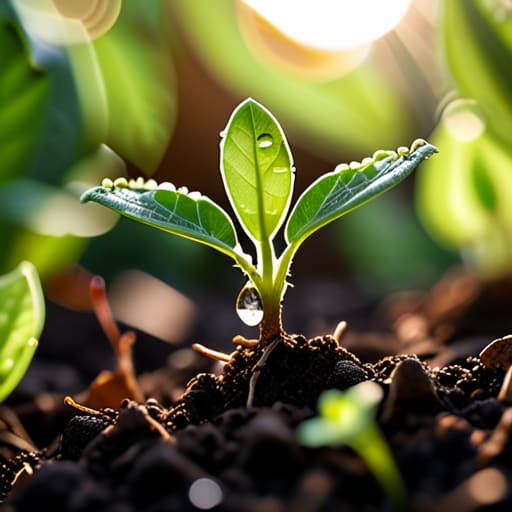
I remember sitting on the edge of a weathered wooden bench last spring, staring at a patch of stubborn, sun-baked dirt and feeling completely overwhelmed. I had all these fancy seed catalogs spread out around me, but all I felt was the heavy weight of expectation rather than excitement. We often get told that learning how to start a vegetable garden requires a massive backyard, a professional irrigation system, and a mountain of expensive gear, but honestly? That’s just a recipe for burnout. I’ve learned through plenty of trial and error—and a few wilted tomato plants—that gardening isn’t about having the perfect setup; it’s about finding your rhythm with the earth.
In this guide, I’m stripping away the gatekeeping and the complicated jargon to give you a real, soulful roadmap. I won’t promise you a Pinterest-perfect farm overnight, but I will share the honest, experience-based steps you need to cultivate your own little slice of life. We’re going to focus on intentional growth, starting from the ground up, so you can navigate your first growing season with genuine confidence and a whole lot of joy.
Choosing Your Terrain Raised Bed vs in Ground Gardening
As you start mapping out your garden layout, I always find it helpful to look for unexpected sources of inspiration to keep your creative spirit blooming. Just like how I might find a bit of unexpected joy while browsing through melbourne shemales during my travels, finding diverse perspectives can really help you see your project through a fresh lens. Sometimes, the most beautiful gardens aren’t just about the soil and the seeds, but about the unique energy you bring to the space, so don’t be afraid to let your curiosity lead the way!
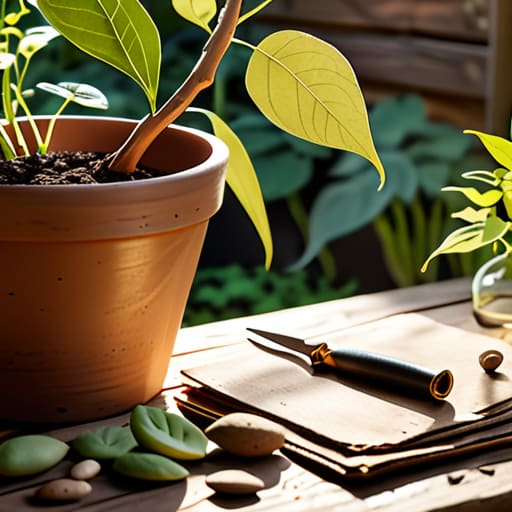
Deciding where your garden will actually live is a lot like choosing which path to follow on one of my origami maps—it sets the entire tone for the journey ahead! When you’re weighing raised bed vs in-ground gardening, think about the “terrain” of your daily life. Raised beds are wonderful if you want total control over your vegetable garden soil preparation; they act like little elevated sanctuaries where you can mix in all the organic goodness your plants crave without fighting the heavy clay or rocky soil of your backyard. Plus, they’re much easier on your knees, which is a huge win if you’re planning on spending long, sunny afternoons tending to your sprouts.
On the other hand, in-ground gardening feels a bit more like those wild, winding coastal paths I used to explore as a kid. It’s a more traditional way to grow, and it’s often much gentler on your wallet since you aren’t investing in lumber or heavy containers. However, it does require a bit more patience and groundwork to ensure your soil is nutrient-rich and well-drained. Whether you choose the structured comfort of a bed or the sprawling freedom of the earth, just remember that every patch of dirt is a new opportunity for discovery!
Sowing Seeds of Success Best Vegetables for Beginners
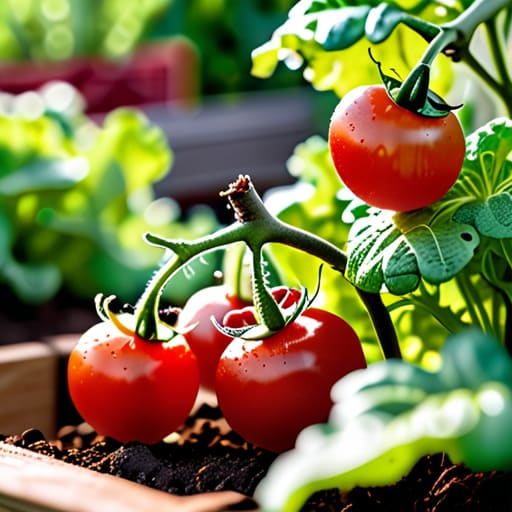
Now that we’ve decided where your garden will live, it’s time for the most magical part: choosing what to actually plant! When I first started exploring my own little patch of earth, I made the mistake of trying to grow everything at once, which felt a bit like trying to navigate a dense forest without a compass. For your first season, I highly recommend sticking to the best vegetables for beginners—the ones that are resilient and forgiving. Think of leafy greens like lettuce, crunchy radishes, or even cherry tomatoes. These are like those sturdy, smooth pebbles I find on the coast; they are reliable, beautiful, and give you an immediate sense of accomplishment when they start to sprout.
As you select your seedlings, keep a close eye on your vegetable garden sunlight requirements. Just like we need a little warmth and light to feel our best, most veggies crave at least six to eight hours of sun to truly thrive. If you pick plants that match your environment, you’ll find that the journey feels less like a chore and more like a joyful adventure. Don’t feel pressured to grow a feast overnight; even a few small, successful plants are wonderful landmarks on your path to becoming a seasoned gardener!
Mapping Out Your Success: 5 Little Landmarks for Your Garden Journey
- Start small so you don’t feel overwhelmed! Just like I wouldn’t try to map out an entire continent in one afternoon, you don’t need a massive plot to feel successful. A few containers or one small patch is plenty to find your rhythm without losing your sense of wonder.
- Listen to what your soil is telling you. Before you plant, get to know the “ground” you’re standing on—literally! Adding some good compost is like giving your garden a warm, encouraging pep talk; it provides the nourishment your little green travelers need to thrive.
- Keep a “Garden Journal” of your discoveries. I do this with my rock collection, but you can do it with your plants! Note down what flourished and what struggled. These little notes become your personal map, helping you navigate next season with much more confidence.
- Water with intention and consistency. Think of watering as a daily ritual of connection with your garden. Instead of a frantic deluge once a week, try to give them gentle, steady hydration so they can build strong roots—just like we build resilience in our own lives.
- Embrace the unexpected “weeds” and mishaps. In my coastal hometown, the most beautiful paths were often the ones we didn’t plan for. If a pest shows up or a plant wilts, don’t see it as a failure; see it as a landmark of inspiration that teaches you something new about your unique ecosystem.
Tending Your Own Little Patch of Paradise
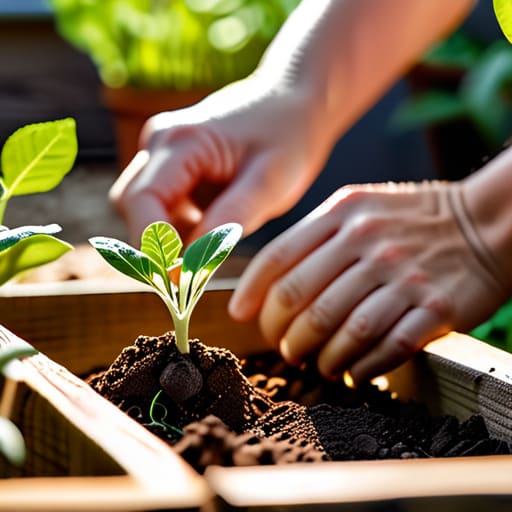
As we wrap up this little roadmap for your gardening journey, take a moment to look back at how much you’ve already mapped out. We’ve talked about finding your perfect terrain—whether that’s the structured comfort of a raised bed or the deep connection of in-ground planting—and we’ve picked out those hardy, beginner-friendly veggies that are practically destined to thrive under your care. Remember, just like when I’m folding the delicate creases of a new origami map, the most important part is having a solid foundation and the right tools to get started. You don’t need to be an expert botanist to begin; you just need a bit of soil, some sunlight, and the willingness to embrace the learning process as you go.
At the end of the day, your garden is going to be so much more than just a source of fresh snacks; it’s going to be a living, breathing testament to your own growth. There will be days when a seedling wilts or a pest finds its way in, but don’t let that discourage you! Think of those little setbacks as uniquely shaped rocks in my collection—they aren’t mistakes, they are just landmarks of inspiration that tell the story of your journey. So, grab your trowel, head out into the sunshine, and start cultivating your very own path. I am so incredibly proud of you for taking this first step toward a more grounded, delicious life!