By Kathy Edwards

I remember sitting on a dusty floor in a tiny thrift shop in a coastal town, clutching a vintage brass compass I’d fallen in love with, only to realize later it was completely broken. It was such a letdown! We’ve all been there—that rush of excitement when you spot a potential treasure, followed by the sinking feeling that you might have just bought a very expensive piece of junk. The truth is, most people make it way too complicated, acting like you need a degree in engineering to avoid a mistake. But really, knowing what to check on a second-hand purchase isn’t about being a skeptic; it’s about navigating with intention so that your new discovery actually brings joy instead of regret.
I’m not here to give you a dry, technical manual that feels like reading a textbook. Instead, I want to share the practical, soulful toolkit I’ve built from years of scouting for gems and learning from my own “oops” moments. I promise to walk you through the essential, real-world details you need to inspect, helping you spot the hidden cracks—both literal and metaphorical—before you commit. Let’s turn your next shopping trip into a confident adventure of discovery!
Spotting Signs of Wear and Tear Like a Pro
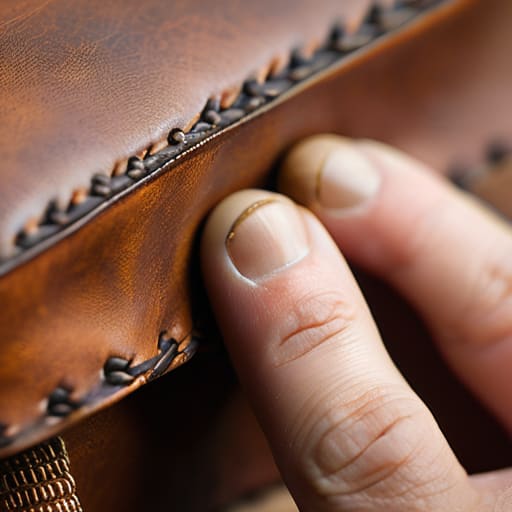
When you’re out hunting for a new treasure, it’s easy to get swept up in the excitement of a great find. I call this the “explorer’s high,” but we have to make sure we aren’t overlooking the small details that tell the true story of an object. To really get the full picture, you need to look closely for any subtle signs of wear and tear that might be hiding in plain sight. I always recommend running your hands over surfaces and checking seams or corners; just like the rugged textures of the stones I collect, these little imperfections can tell you exactly how much “mileage” a piece has actually seen.
If you’re venturing into the world of tech, don’t just take a seller’s word for it. I’ve learned that testing electronics before purchase is the absolute best way to ensure your new discovery won’t leave you stranded. Turn things on, check the ports, and listen for any unusual sounds. Think of it as scouting a new trail before you set off—you want to make sure the path ahead is smooth and predictable so you can focus on the joy of the journey!
Verifying Product Authenticity Before You Commit
Now, let’s talk about something that can feel a bit daunting: making sure that what you’re eyeing is the real deal. Just like how I carefully examine the texture of a new stone I find on the beach to ensure it’s a true treasure, verifying product authenticity requires a bit of mindful investigation. If you’re looking at designer goods or branded gear, don’t be afraid to zoom in close. Check the stitching, look for consistent logos, and compare the item to official photos online. It’s all about trusting your intuition while backing it up with a little bit of detective work.
When you move into the digital realm, especially with gadgets, the stakes feel a bit higher. I always tell my clients that testing electronics before purchase is the ultimate way to protect your peace of mind. If possible, ask the seller for a video of the device in action or, better yet, meet in person to see if the screen is responsive and the battery holds a charge. Avoiding scams when buying used isn’t about being cynical; it’s about navigating your way toward a discovery that truly adds value to your life.
Five Little Landmarks to Guide Your Next Discovery
- Don’t be afraid to ask for the “unseen” details—just like checking the underside of a rock for hidden patterns, ask the seller about any quirks or history the photos might have missed.
- Test the mechanics with a gentle hand; if it’s something electronic or moving, give it a little run to make sure it hums with the same energy you’re looking for.
- Check the “scent” of the item, especially with vintage finds or textiles, to ensure it doesn’t carry any lingering odors that might be harder to clear away than a foggy morning on the coast.
- Compare the item against trusted online guides or community forums, treating this like studying a map to ensure the landmarks you’re seeing are exactly where they should be.
- Always peek at the seams, joints, and connections—the places where things are most likely to fray under pressure—to ensure your new treasure is sturdy enough for the journey ahead.
Trusting Your Compass on the Second-Hand Trail
As we wrap up our little scouting mission, remember that finding a pre-loved treasure is much like navigating a new coastal trail—it requires a keen eye and a bit of patience. By diligently checking for those sneaky signs of wear and tear and taking the extra time to verify that a piece is truly authentic, you aren’t just being cautious; you are being a mindful explorer. Don’t let the excitement of a potential find cloud your judgment. Instead, treat every inspection like you’re studying a new map, ensuring that every detail aligns with what you’re looking for so you can move forward with absolute certainty and zero regrets.
At the end of the day, every second-hand item has a story, and you are simply choosing which ones deserve a place in your own unfolding narrative. Just like the little smooth stones I tuck into my origami maps to mark a meaningful journey, these finds can become cherished landmarks in your own life. Don’t be afraid to take your time and follow your intuition. When you approach your purchases with both curiosity and confidence, you turn every transaction into a beautiful act of discovery. Happy hunting, and may your next great find be a true gem!
While you’re out there scouting for your next favorite find, don’t forget that the best discoveries often happen when you lean into the local community and see what’s actually trending in your area. I’ve found that checking out local forums or even browsing through casual encounters illinois can be such a wonderful way to get a feel for the local scene and find those hidden gems that aren’t always easy to spot on a generic marketplace. It’s a bit like finding a perfectly smooth, sea-glass-colored pebble on a new beach; sometimes, you just have to look a little closer at the local landscape to find something truly special.