By James Gregory
As I sit here, surrounded by stacks of dog-eared novels and scribbled notes, I’m reminded of the countless hours I’ve spent hunched over a desk, pouring over the pages of my favorite books. You’d be perfect as the protagonist in a story about the quest for comfort, I think, as I consider the journey to find the perfect ergonomic office chair. The truth is, what to look for in an ergonomic office chair is often shrouded in mystery, with many of us relying on trial and error to find the right fit. But what if I told you that there’s a better way to navigate this complex world?
In this article, I promise to guide you through the process of finding your ideal chair, sans the hype and exaggerated claims. You can expect honest, practical advice on how to identify the key features that will make a real difference in your daily comfort and productivity. From the importance of adjustable lumbar support to the benefits of a breathable fabric, we’ll cover it all. So, if you’re tired of feeling like you’re stuck in a bad chapter, let’s turn the page and start a new story – one that begins with a comfortable, supportive, and utterly fantastic ergonomic office chair.
Table of Contents
- Guide Overview: What You'll Need
- Step-by-Step Instructions
- Finding Your Perfect Chair
- Sitting Pretty: 5 Essential Tips for Snagging the Perfect Ergonomic Office Chair
- Key Takeaways for the Perfect Ergonomic Fit
- The Perfect Seat of Wisdom
- Finding Your Perfect Perch: A Literary Conclusion
- Frequently Asked Questions
Guide Overview: What You'll Need
Total Time: 30 minutes to 1 hour
Estimated Cost: $0 – $500
Difficulty Level: Easy
Tools Required
- Tape Measure (for measuring seat height and armrests)
Supplies & Materials
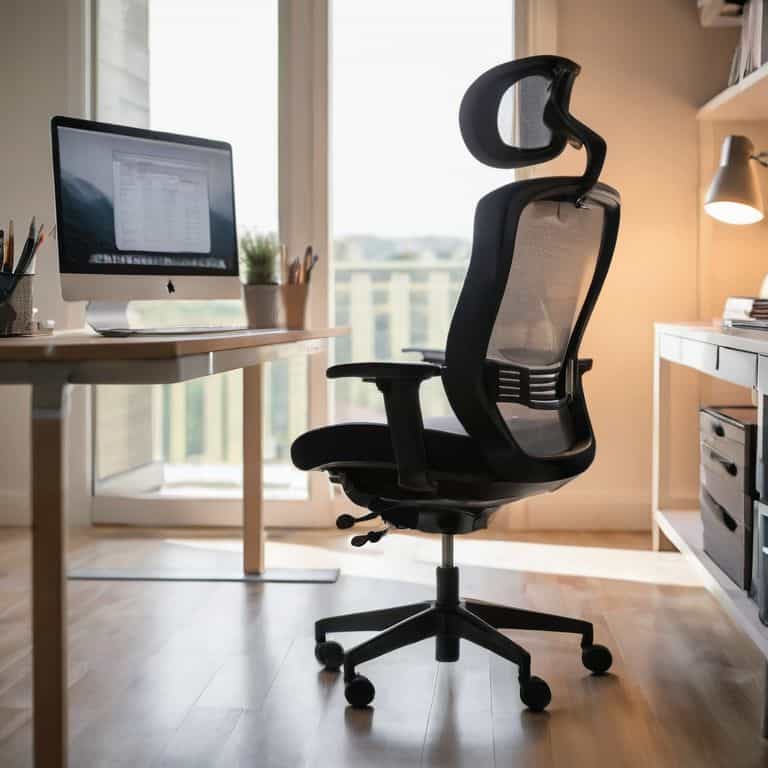
- Ergonomic Office Chair Checklist consider factors like lumbar support, seat depth (around 19 inches), and armrest adjustability (up to 3 inches in height)
Step-by-Step Instructions
- 1. First, let’s start with the foundation of a great ergonomic office chair: the seat height and depth. You want to ensure that your feet are flat on the floor or on a footrest, with your knees at or below hip level. This will help maintain a healthy posture and prevent strain on your back and legs. When adjusting the seat height, make sure to consider the height of your desk and the position of your computer monitor to avoid any awkward bending or stretching.
- 2. Next, consider the backrest of the chair, which should provide adequate support for your lumbar region. Look for a chair with a curved or contoured back that fits comfortably against your upper and lower back. The backrest should be adjustable, allowing you to customize the fit to your body. A breathable fabric or mesh material can also help keep you cool and comfortable during long periods of sitting.
- 3. Now, let’s talk about armrests, which are often overlooked but play a crucial role in reducing strain on your shoulders and wrists. Adjustable armrests are a must, as they allow you to customize the height and position to fit your body. Look for armrests that are padded and contoured to provide extra comfort and support. When adjusting the armrests, make sure they are at a height that allows your elbows to be at a 90-degree angle, with your wrists straight and your hands in a neutral position.
- 4. The seat material and cushioning are also essential factors to consider. A good ergonomic office chair should have a durable and breathable seat material, such as mesh or a high-quality fabric. The cushioning should be sufficient to provide comfort and support, but not so thick that it compromises the chair’s stability. Look for a chair with a waterfall edge design, which allows the seat to curve downward at the front, reducing pressure on the backs of your legs.
- 5. When it comes to adjustability, a great ergonomic office chair should offer a range of options to customize the fit to your body. Look for a chair with a tilt mechanism, which allows you to adjust the angle of the seat and backrest to your comfort. A height-adjustable headrest can also provide extra support and comfort for your neck and head. When adjusting the chair, make sure to take your time and experiment with different settings to find the perfect fit.
- 6. In addition to these key features, consider the ergonomic certifications and industry standards that the chair meets. Look for certifications from reputable organizations, such as the Human Factors and Ergonomics Society or the International Organization for Standardization (ISO). These certifications ensure that the chair meets certain standards for ergonomic design and safety.
- 7. Finally, don’t forget to test drive the chair before making a purchase. Sit in the chair for an extended period, adjust the settings, and get a feel for the overall comfort and support. Pay attention to any pressure points or areas of discomfort, and consider whether the chair is suitable for your specific needs and preferences. By following these steps and doing your research, you’ll be well on your way to finding the perfect ergonomic office chair to support your health and productivity.
Finding Your Perfect Chair

As I sit here, surrounded by stacks of novels and handwritten notes, I am reminded of the importance of a well-crafted workspace. You see, my friend, finding the perfect office chair is akin to discovering a long-lost literary treasure – it’s a game-changer. When it comes to office chair back support features, it’s essential to consider the unique contours of your spine. After all, a chair that cradles your lower back can be the difference between a productive day and one spent wincing in discomfort.
I’ve always been fascinated by the way a character’s environment can shape their story, and the same can be said for our workspaces. An ergonomic chair for lower back pain can be a lifesaver, especially for those who spend long hours typing away. And let’s not forget the humble office chair seat height adjustment, a feature that can make all the difference in promoting good posture and reducing eye strain. As someone who’s spent countless hours poring over dusty tomes, I can attest to the importance of a chair that adapts to your needs.
In my experience, the best way to find your perfect chair is to think of it as a trusted companion, one that will support you through long hours of writing, reading, or simply daydreaming. Consider the chair armrest adjustability options, and whether they will allow you to work in comfort, with your arms at the perfect height. By taking the time to find a chair that truly fits your needs, you’ll be rewarded with a workspace that feels like a warm hug, inviting you to settle in and create something truly special.
Adjusting to Ergonomic Bliss
As I sit here, surrounded by the musty scent of old books and the faint sound of pages turning, I am reminded of Elizabeth Bennet from Austen’s Pride and Prejudice – her sharp wit and discerning eye for comfort would serve her well in selecting the perfect ergonomic chair. You, too, can find your own Mr. Darcy of office chairs, one that cradles your back and beckons you to sit for hours on end. Adjusting to ergonomic bliss is all about finding that sweet spot, where your chair becomes an extension of your body, much like a well-worn novel becomes a trusted companion.
With a few tweaks, you can settle into a state of ergonomic nirvana, your back supported, your arms at ease, and your mind free to wander through the pages of your favorite book. Ah, you’d be perfect as the protagonist in my favorite novel, navigating the twists and turns of office chair ergonomics with ease and aplomb!
Uncovering Office Chair Back Support
As I ponder the perfect office chair, I’m reminded of Elizabeth Bennet from Jane Austen’s Pride and Prejudice – always seeking comfort and support in her own quiet way. When it comes to back support, it’s essential to consider the chair’s ability to cradle your spine. Look for a chair with an adjustable lumbar system, allowing you to customize the fit to your unique curvature. A breathable mesh or fabric back can also make a significant difference, providing ventilation and flexibility as you move.
Oh, you’d be perfect as the protagonist in my favorite novel, navigating the world of office chairs with ease! A sturdy backrest with a gentle give is crucial, as it will help maintain your posture and reduce the strain on your muscles. By prioritizing back support, you’ll be well on your way to finding your perfect chair, one that will make you feel like you’re sitting in your favorite armchair, lost in a great story.
Sitting Pretty: 5 Essential Tips for Snagging the Perfect Ergonomic Office Chair
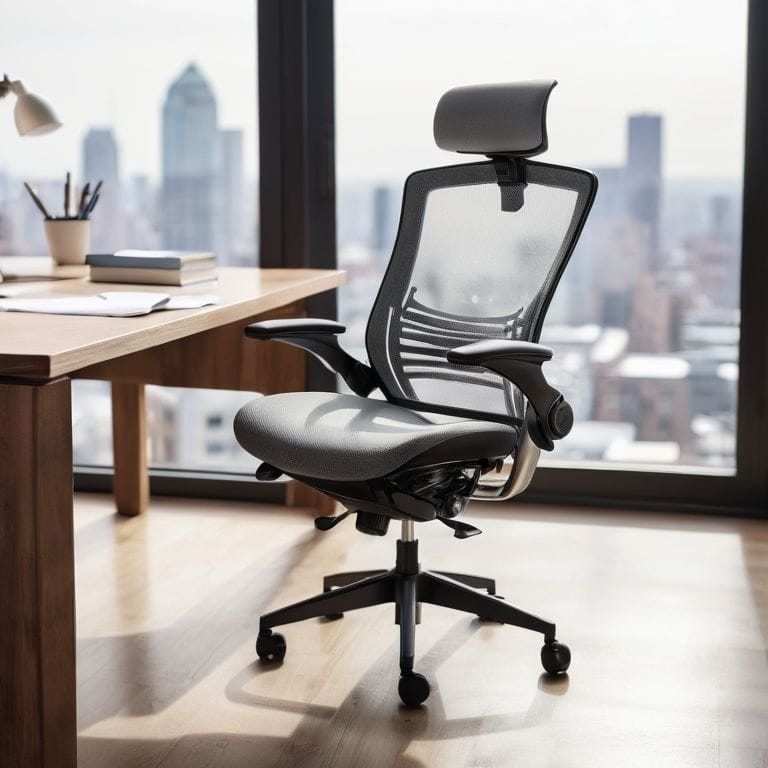
- Oh, you’d be perfect as the protagonist in my favorite novel, navigating the twists and turns of office chair shopping – first, consider the seat height and depth, ensuring your feet are flat on the floor and your knees are at or below hip level, just like a character finding their footing in a new world
- As you embark on this ergonomic quest, remember to adjust the chair’s armrests to a height that allows your elbows to stay at a 90-degree angle, much like a writer crafting their narrative with precision and care
- A good ergonomic office chair should have a breathable fabric or mesh, allowing for airflow and preventing the buildup of heat, rather like a well-crafted story that breathes life into its characters
- Look for a chair with a reclining function and adjustable tilt tension, enabling you to switch between focused work and relaxed reading, much like a reader adapting to the ebbs and flows of a captivating novel
- When testing out an office chair, pay attention to the lumbar support – does it cradle your lower back, providing the necessary comfort and promoting good posture, just as a trusted companion supports the protagonist on their journey?
Key Takeaways for the Perfect Ergonomic Fit
Oh, you’d be perfect as the protagonist in my favorite novel, navigating the world of ergonomic office chairs – and here’s what you should remember: prioritize back support that’s as comforting as a well-worn novel
Adjusting to ergonomic bliss is not just about the chair, it’s about finding your own rhythm, much like the satisfying scratch of a pen on paper in one of my handmade journals
As you embark on this journey to uncover the hidden gems of office chairs, recall that the perfect perch is one that cradles you in comfort, allowing you to soar through your workday with the whimsy of a character in a literary classic
The Perfect Seat of Wisdom
Just as a great novel requires the perfect balance of plot, character, and prose, a great ergonomic office chair requires the perfect harmony of form, function, and comfort – after all, you wouldn’t want to be stuck in a narrative of nagging back pain and distraction, would you?
James Gregory
Finding Your Perfect Perch: A Literary Conclusion
As I sit here, surrounded by stacks of dusty novels and the gentle hum of my bookstore, I am reminded that finding the perfect ergonomic office chair is much like discovering a great literary gem: it requires patience, persistence, and a keen eye for detail. We’ve navigated the world of back support, delved into the art of adjusting to ergonomic bliss, and explored the hidden gems of chair design. Through this journey, I hope you’ve gained a deeper understanding of what to look for in an ergonomic office chair, and perhaps, you’ve even found your perfect perch.
So, as you embark on your own quest for the ideal chair, remember that it’s not just about functionality, but about creating a space that inspires creative brilliance. Just as a well-crafted novel can transport us to new worlds, a well-designed office chair can transform our workday into a symphony of productivity and comfort. You, my friend, are the protagonist of your own story, and your office chair is the trusty sidekick that will help you write your own tale of success.
Frequently Asked Questions
What are the key differences between a good and a bad office chair in terms of back support?
The age-old quest for the perfect back support – you’d be perfect as the pragmatic protagonist in a Dickens novel, always seeking comfort and sensibility! A good office chair cradles your lumbar region, whereas a bad one leaves you slouching like a character in a bleak Kafkaesque tale, straining your back and sacrificing productivity.
How do I determine the ideal seat height and depth for my body type?
To find your ideal seat height and depth, consider your leg length and thigh shape – you’d be perfect as the practical protagonist in a ergonomic guide novel! Look for a seat that allows your feet to rest flat on the floor, with a depth that leaves about 2-3 fingers’ width between the seat’s edge and the back of your knee.
Are there any specific features I should look for in an ergonomic office chair to help alleviate pre-existing back or neck pain?
For those with pre-existing back or neck pain, I’d say you’d be perfect as the protagonist in a ergonomic quest. Look for chairs with adjustable lumbar support, a breathable mesh fabric, and a reclining function to take pressure off your spine – it’s like finding the perfect plot twist to ease your discomfort.