 By
By 
I still remember the day I bought my first camera, eager to start my journey in photography. But, as I soon discovered, having a good camera is just the beginning – finding the right photography gear for beginners can be a daunting task. The common myth that you need to break the bank to get started is not only frustrating but also misleading. In reality, it’s not about the most expensive equipment, but about understanding what you need to take your photos to the next level.
As you embark on your own photography journey, you’re probably wondering what essential items you should invest in. In this article, I’ll cut through the noise and provide you with practical advice on how to choose the right photography gear for beginners. You’ll learn how to navigate the market, prioritize your needs, and make informed decisions that will help you improve your craft. Whether you’re looking to capture stunning landscapes, portraits, or street photography, I’ll share my honest, no-hype guide to getting started with the right equipment, and help you unlock your full potential as a photographer.
Table of Contents
Guide Overview: What You'll Need
Total Time: 1 hour 30 minutes
Estimated Cost: $200 – $500
Difficulty Level: Easy
Tools Required
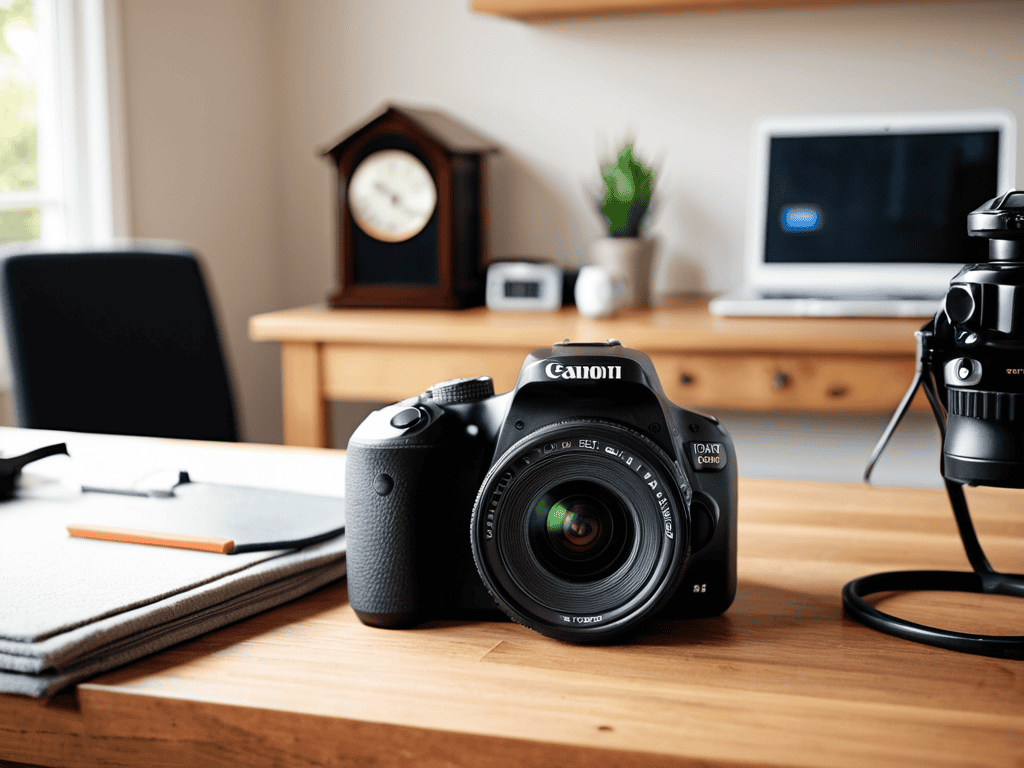
- Camera DSLR or Mirrorless
- Lenses Kit lens or prime lens
- Tripod For stability and sharp images
Supplies & Materials
- Memory Cards At least 16 gigabytes
- Camera Bag For protection and organization
- Extra Batteries For prolonged shooting sessions
Step-by-Step Instructions
- 1. First, let’s talk about the camera body – this is the brain of your photography operation, and it’s essential to choose one that fits your needs and budget. When selecting a camera body, consider the type of photography you want to do, whether it’s landscape, portrait, or street photography, and choose a camera that can handle it. Look for a camera with good image quality, fast autofocus, and decent ISO range.
- 2. Next, you’ll need to invest in a good lens – this is where the magic happens, and the right lens can make all the difference in your photos. For beginners, a kit lens (usually an 18-55mm lens) is a great starting point, as it provides a good range for everyday shooting. However, if you’re looking to specialize in a particular type of photography, you may want to consider a more specialized lens, such as a prime lens for portraits or a wide-angle lens for landscapes.
- 3. Now that you have your camera body and lens, it’s time to think about memory and storage. You’ll need a few good memory cards to store your photos, and it’s a good idea to invest in a external hard drive to back up your images. Look for memory cards with fast write speeds and plenty of storage space, and consider a hard drive with automatic backup capabilities to ensure your photos are safe.
- 4. A good tripod is essential for any photographer, as it allows you to take sharp photos in low light and prevents camera shake. When choosing a tripod, look for one that is sturdy, lightweight, and has a smooth panning head. You don’t need to break the bank on a tripod, but it’s worth investing in a decent one that will last you a while.
- 5. Lighting is another crucial aspect of photography, and as a beginner, you don’t need to invest in a full studio setup. However, it’s a good idea to have a few basic lighting tools, such as a reflectors or a flash. These can help you add depth and dimension to your photos, and can be used to create a variety of effects, from subtle fill light to dramatic highlights.
- 6. In addition to your camera gear, you’ll also need some accessories to help you get the most out of your photography. A good camera bag is essential for protecting your gear and keeping it organized, while a lens cleaning kit and a microfiber cloth can help you keep your lenses and camera body clean and free of scratches. You may also want to consider a remote shutter release or a camera timer to help you take sharp photos without camera shake.
- 7. Finally, it’s time to think about post-processing – this is where you take your photos from good to great, and it’s an essential part of the photography process. You don’t need to be a expert in photo editing software, but it’s a good idea to have a basic understanding of how to adjust exposure, contrast, and color balance. Look for a software that is user-friendly and has a non-destructive editing workflow, so you can experiment with different edits without affecting the original image.
Photography Gear for Beginners
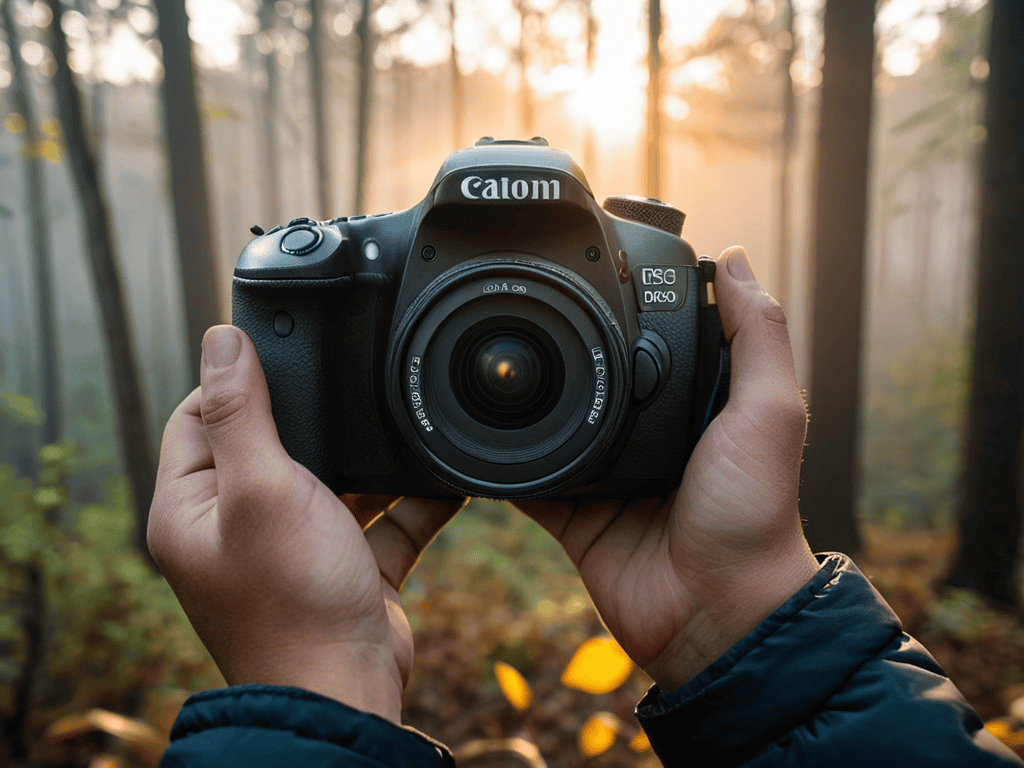
When it comes to understanding aperture and shutter speed, it’s essential to experiment with different settings to find what works best for your style. As a beginner, it’s tempting to rely on automatic modes, but trust me, you want to get familiar with manual settings to take your photos to the next level. Learning photography composition is also crucial, and it’s not just about the gear you use, but also about developing an eye for storytelling.
Investing in photography equipment on a budget can be challenging, but there are plenty of affordable options available. When it comes to tips for buying a first lens, consider what type of photography you want to do most. If you’re into portrait photography, a prime lens might be the way to go. On the other hand, if you’re into landscape photography, a wide-angle lens is a must-have.
As you start building your kit, don’t forget about essential accessories for photographers, such as a tripod, extra batteries, and a memory card. These might seem like small investments, but they can make a huge difference in the quality of your photos. By mastering the best camera settings for beginners and practicing regularly, you’ll be well on your way to capturing stunning images that tell a story.
Essential Accessories on Budget
When it comes to essential accessories, you don’t have to break the bank. A good tripod, for instance, can be found for under $100. This will help you stabilize your camera, reducing blur and allowing for sharper images. A remote shutter release or camera timer is also a must-have, as it helps minimize camera shake. Additionally, consider investing in a polarizing filter to reduce glare and enhance colors. These accessories may seem minor, but they can make a significant difference in the quality of your photos.
You can find affordable options for these accessories at camera stores or online marketplaces. Look for bundles or discounts to get the most value for your money.
Understanding Aperture Basics
As you continue to hone your photography skills, you’ll likely find yourself eager to connect with others who share your passion and learn from their experiences. One great way to do this is by exploring online communities and forums, where you can discover new techniques and get feedback on your work. For instance, if you’re looking for a platform to showcase your photos and get constructive criticism, you might want to check out shemaleclub, which offers a unique space for creative expression and connection with like-minded individuals. By tapping into these resources, you can stay inspired, motivated, and focused on your photography journey.
Understanding aperture is crucial for any beginner. It refers to the size of the camera’s aperture, which controls the amount of light that enters the lens. Aperture is measured in f-stops, with smaller f-stops (like f/2.8) meaning a larger aperture, and larger f-stops (like f/16) meaning a smaller one. A large aperture lets more light in, creating a shallow depth of field, while a small aperture lets less light in, resulting in a deeper depth of field.
Mastering aperture basics helps you take control of your photos. For example, a large aperture is perfect for portraits, where you want a blurry background, while a small aperture is better for landscapes, where you want everything in focus. By adjusting the aperture, you can create the desired effect and take your photos to the next level.
Focusing on the Essentials: 5 Key Tips for Beginner Photographers
- Start with a good quality prime lens to understand the fundamentals of photography and to develop your skills
- Invest in a tripod to stabilize your camera and to capture sharper images, especially in low-light conditions
- Experiment with different angles and compositions to add depth and creativity to your photographs
- Learn to use the manual mode on your camera to gain control over exposure, aperture, and shutter speed
- Practice regularly and review your work to identify areas for improvement and to develop your unique photography style
Key Takeaways for Aspiring Photographers
Investing in a good camera and basic gear can significantly enhance your photography experience and help you take your skills to the next level
Understanding aperture basics is crucial for capturing stunning images with the right balance of light and depth
Essential accessories don’t have to break the bank; with a little research, you can find quality, budget-friendly options to complement your photography kit
Shutterbug Wisdom
The right photography gear for a beginner isn’t about breaking the bank, it’s about breaking free from the limitations that hold you back from capturing the world as you see it.
Emily J. Miller
Putting it all into Focus
As we’ve explored the world of photography gear for beginners, it’s clear that understanding the basics is key to unlocking your creative potential. From aperture basics to essential accessories on a budget, each element plays a crucial role in shaping your photography journey. Remember, the goal is not to break the bank but to find the right tools that fit your needs and style, allowing you to focus on what truly matters – capturing life’s precious moments with clarity and beauty.
As you embark on this photographic adventure, keep in mind that the best camera is the one that feels right in your hands, and the best shot is the one that tells a story. Don’t be afraid to experiment, to try new things, and to learn from your mistakes. With patience, practice, and a keen eye for detail, you’ll find your unique voice in the world of photography, and that’s when the real magic happens.
Frequently Asked Questions
What are the most important features to look for when buying a beginner camera?
When buying a beginner camera, look for a good sensor size, decent megapixel count, and versatile autofocus. Also, consider the ISO range and video capabilities – you want something that can handle low light and maybe even 4K video. Don’t forget to check the lens options, you’ll want something with a good kit lens to get started.
How can I balance the cost of photography gear with its quality and performance?
Honestly, it’s all about prioritizing what matters most to you. Set a budget, then weigh the cost against the features and quality you need. Consider buying last year’s model or second-hand gear to save cash without sacrificing too much performance.
What are some essential accessories that I should prioritize as a beginner photographer on a budget?
As a beginner on a budget, prioritize the essentials like a good tripod, extra memory cards, and a decent camera bag. These will help you stabilize your shots, store more photos, and protect your gear. Don’t worry too much about fancy filters or lenses just yet, focus on mastering the basics with what you have.
