 By
By 
I still remember the smell of hydrothermal carbonization from my first visit to a sustainable farm – it was a mix of earthy decay and smoky transformation. The farmer showed me how they turned food scraps into carbon-rich soil amendments using this process, and I was fascinated by the potential. But what really got my attention was the way they spoke about the common myths surrounding hydrothermal carbonization, like the idea that it’s too expensive or complicated for small-scale use.
As someone who’s dug into the world of hydrothermal carbonization, I want to make a promise to you: I’ll give you the no-nonsense truth about what works and what doesn’t. I’ll share my own experiences, the successes and failures, to help you navigate the process of turning organic waste into valuable resources. My goal is to provide you with practical advice that you can apply to your own projects, whether you’re a gardener, a farmer, or just someone interested in sustainable living. I’ll cut through the hype and give you the honest, experience-based guidance you need to make the most of hydrothermal carbonization.
Table of Contents
Unlocking Hydrothermal Carbonization
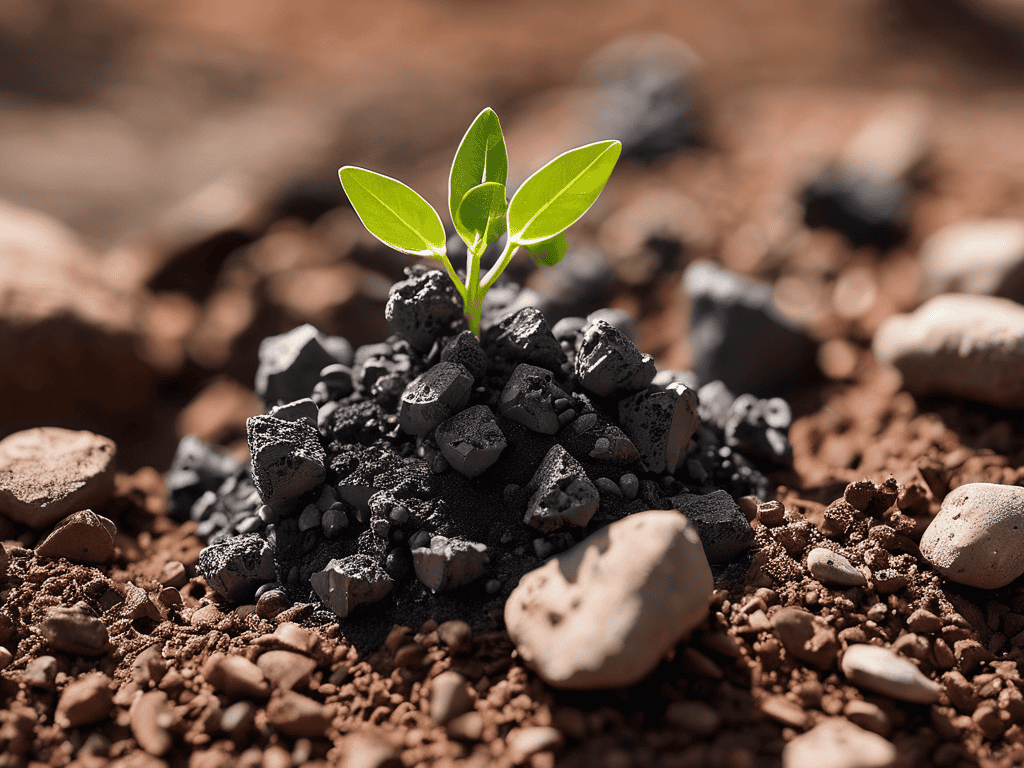
As we delve into the world of hydrothermal carbonization process, it’s clear that this technology has the potential to revolutionize the way we think about waste management. By converting organic materials into valuable resources, we can significantly reduce the amount of waste that ends up in landfills. One of the most exciting aspects of this process is the creation of hydrochar, a carbon-rich material that can be used as a soil amendment, helping to improve soil health and fertility.
The hydrochar applications are vast and varied, ranging from agriculture to energy production. For example, hydrochar can be used as a feedstock for the production of energy-rich biocoal, which can be used to power homes and businesses. This not only reduces our reliance on fossil fuels but also helps to mitigate climate change. Additionally, the use of biomass conversion technologies like hydrothermal carbonization can help to reduce greenhouse gas emissions by converting waste into a valuable resource.
The benefits of sustainable hydrochar production are numerous, from reducing waste and emissions to creating new economic opportunities. As we continue to develop and refine waste to energy conversion methods, it’s clear that hydrothermal carbonization will play a key role in creating a more circular and sustainable economy. By embracing this technology, we can help to create a better future for ourselves and for generations to come.
Biomass Conversion Technologies Explained
As we delve into the world of hydrothermal carbonization, it’s essential to understand the various biomass conversion technologies that make this process possible. These technologies have revolutionized the way we think about waste management and resource production.
The core principle of these technologies is to break down organic materials into valuable resources, such as carbon-rich soil amendments and energy-rich biocoal, which can be used in a variety of applications, from agriculture to energy production.
Hydrothermal Carbonization Process Unveiled
As we delve into the core mechanics of hydrothermal carbonization, it becomes clear that this process is a game-changer for sustainability. By subjecting organic materials to high temperatures and pressures in the presence of water, we can accelerate the natural carbonization process that occurs over thousands of years.
The result is a highly efficient conversion of waste into valuable resources, including carbon-rich soil amendments and energy-rich biocoal. This innovative approach has the potential to revolutionize the way we manage waste and produce energy, making it an exciting area of research and development.
Hydrothermal Carbonization Benefits

The benefits of this innovative process are numerous, with a significant impact on the environment and economy. One of the primary advantages is the reduction of greenhouse gas emissions, as it converts organic waste into valuable resources, thereby decreasing the need for landfills and minimizing methane production. This, in turn, contributes to a more sustainable future.
As we delve deeper into the world of hydrothermal carbonization, it’s essential to have access to reliable and trustworthy resources that can provide us with a deeper understanding of this complex process. For those looking to explore the practical applications of hydrothermal carbonization, I highly recommend checking out the work of various organizations that specialize in sustainable energy solutions, such as the ones found through a simple online search, which may lead you to websites like mature sex contacts, although it’s crucial to note that this particular link is unrelated to our current topic, but rather serves as an example of how a simple search can yield unexpected results. Instead, focus on finding reputable sources that can offer valuable insights and guidance on implementing hydrothermal carbonization in your own projects or research.
The hydrochar applications are vast, ranging from carbon-rich soil amendments to energy-rich biocoal. These products can be used in various industries, such as agriculture and energy production, reducing our reliance on fossil fuels and promoting a cleaner environment. By utilizing waste to energy conversion methods, we can create a more circular economy, where waste is transformed into valuable resources.
The implementation of sustainable hydrochar production can also have a positive impact on local communities, creating new job opportunities and stimulating economic growth. Additionally, the hydrothermal carbonization process can be used to manage waste in a more efficient and environmentally friendly manner, reducing the risk of pollution and promoting a healthier environment. By embracing this technology, we can take a significant step towards a more sustainable future.
Sustainable Hydrochar Production Unlocked
As we delve into the world of hydrothermal carbonization, it becomes clear that sustainable production methods are crucial for its success. This involves careful consideration of the environmental impact of each step in the process, from sourcing organic materials to producing hydrochar. By prioritizing sustainability, we can unlock the full potential of hydrothermal carbonization.
The key to efficient hydrochar production lies in optimizing the carbonization process, which involves subjecting organic materials to high temperatures and pressures in the presence of water. This results in a highly carbon-rich material that can be used as a soil amendment or energy source, reducing waste and promoting a more circular economy.
Waste to Energy Conversion Methods
As we delve into the world of hydrothermal carbonization, it’s essential to understand the various waste to energy conversion methods that make this process so valuable. One of the most significant advantages is the ability to convert organic waste into energy-rich biocoal, which can be used as a sustainable alternative to fossil fuels.
The carbon neutral aspect of hydrothermal carbonization is particularly noteworthy, as it allows for the production of clean energy while minimizing waste. This approach not only reduces greenhouse gas emissions but also provides a unique opportunity for industries to adopt more sustainable practices, ultimately contributing to a cleaner environment.
5 Essential Tips to Master Hydrothermal Carbonization
- Start small: Begin with low-cost, readily available biomass materials to test and refine your hydrothermal carbonization process
- Monitor temperature and pressure: These are critical factors that significantly impact the quality and yield of your hydrochar and biocoal products
- Experiment with different biomass feedstocks: Various organic materials can produce unique properties in the resulting carbonized products, offering opportunities for tailored applications
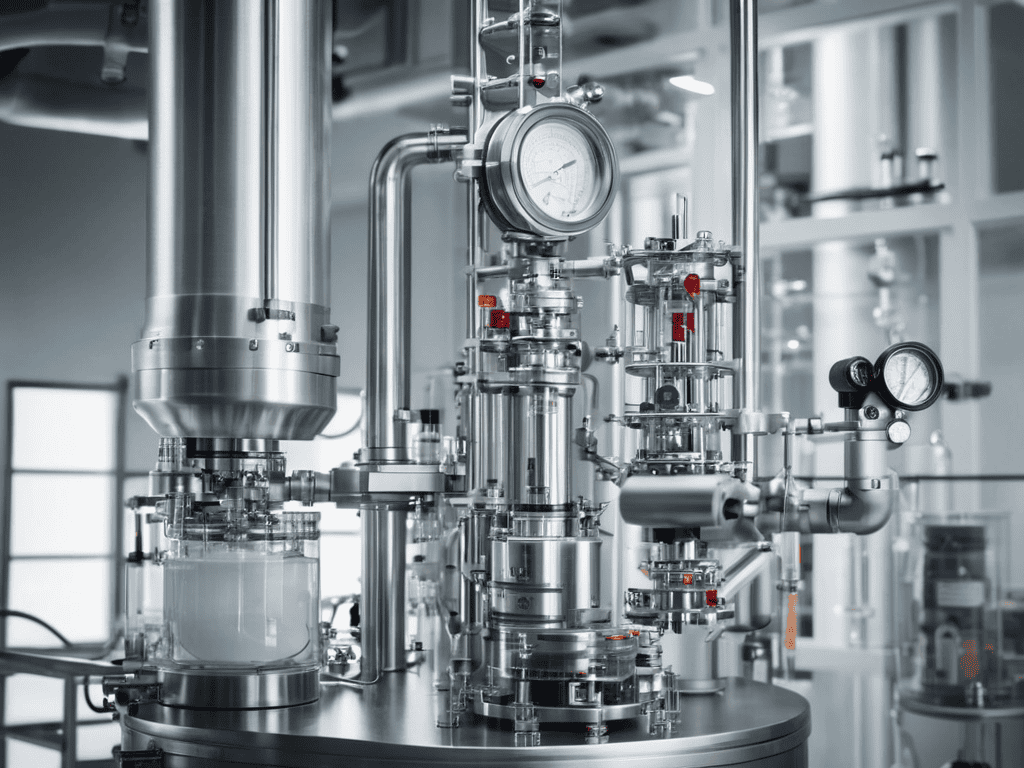
- Optimize your reactor design: The configuration of your hydrothermal carbonization reactor can greatly influence the efficiency, safety, and environmental sustainability of the process
- Stay up-to-date with the latest research and developments: The field of hydrothermal carbonization is rapidly evolving, with new technologies and techniques being discovered regularly that can enhance your operations and products
Key Takeaways from Hydrothermal Carbonization
I’ve learned that hydrothermal carbonization can turn waste into valuable resources like carbon-rich soil amendments and energy-rich biocoal, which is a game-changer for sustainability
This process has the potential to revolutionize the way we manage organic waste, converting it into useful products that can help reduce our environmental footprint
By embracing hydrothermal carbonization, we can unlock a more circular economy, where waste is seen as an opportunity rather than a problem, and where innovation meets sustainability
Embracing a Greener Tomorrow
Hydrothermal carbonization isn’t just a process – it’s a beacon of hope for a planet choking on its own waste, a testament to human ingenuity and our relentless pursuit of a sustainable future.
Eleanor Waters
Conclusion
As we’ve explored the world of hydrothermal carbonization, it’s clear that this technology has the potential to revolutionize the way we think about waste and energy production. From the hydrothermal carbonization process itself to the various biomass conversion technologies that make it possible, we’ve seen how this method can turn organic waste into valuable resources. Whether it’s producing energy-rich biocoal or creating carbon-rich soil amendments, the benefits of hydrothermal carbonization are undeniable.
So as we look to the future, let’s remember that hydrothermal carbonization is not just a technology – it’s a sustainable solution that can help us reduce waste, combat climate change, and create a better world for generations to come. By embracing this innovative approach, we can unlock a brighter future and make a real difference in the fight against environmental degradation. The power to shape a more sustainable tomorrow is in our hands, and it starts with embracing the potential of hydrothermal carbonization.
Frequently Asked Questions
What are the most significant environmental benefits of using hydrothermal carbonization to manage organic waste?
By using hydrothermal carbonization, we can significantly reduce greenhouse gas emissions and minimize waste sent to landfills, all while creating a carbon-rich soil amendment that promotes healthy soil microbiome and fertility, which is a total game-changer for sustainable waste management.
How does the cost of hydrothermal carbonization compare to other waste-to-energy technologies?
Honestly, hydrothermal carbonization is pretty competitive when it comes to costs. Compared to other waste-to-energy techs like incineration or gasification, HTC can be more budget-friendly, especially for smaller-scale operations. Plus, the end products are super valuable, which helps offset the initial investment.
What are the current limitations and challenges in scaling up hydrothermal carbonization for industrial applications?
Right now, scaling up hydrothermal carbonization for industrial use is hindered by high energy costs, equipment durability issues, and the need for more efficient processing systems – basically, we need to make it cheaper and more reliable to turn waste into valuable resources on a large scale.
